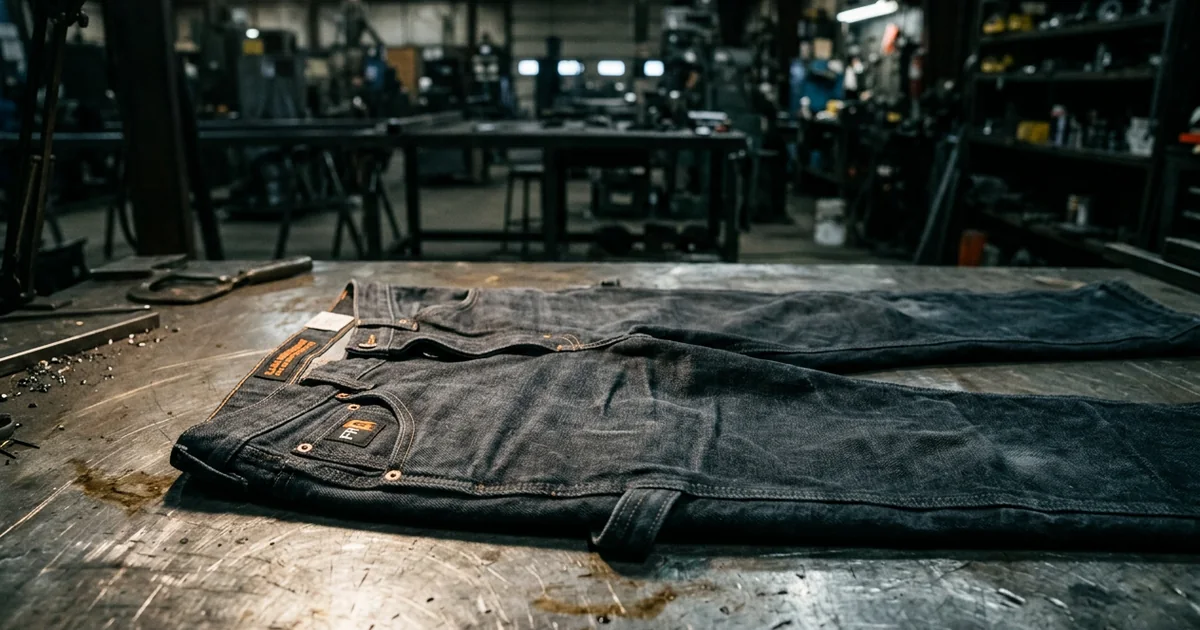

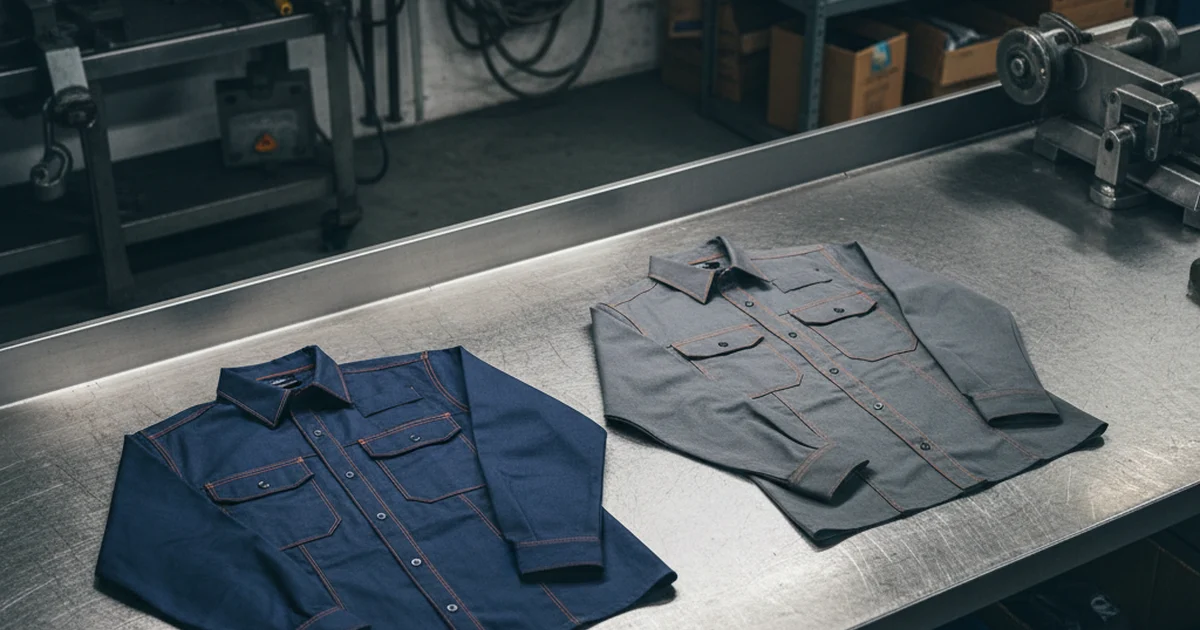
Forge FR is a legitimate, NFPA 2112-certified FR brand — its shirts and jeans are UL-certified, CAT 2 arc-rated treated cotton, and it has one of the better-looking women's lines in the category. The catch: brand-site prices run premium and stock is frustratingly inconsistent, so you'll usually buy through a third-party seller or Amazon. Worth knowing up front: Forge is treated FR — flame resistance is a chemical finish on cotton, not an inherent fiber property — so it protects for the life of the garment only if you launder it correctly.
Key Takeaways
- It's real FR, not "FR-look": Forge shirts and jeans I checked list a stated standard (NFPA 2112) plus a UL certification and a cal/cm² arc rating on the listing — the three things a genuine FR garment should show.
- Rating is CAT 2: the shirts I verified state ATPV 8.2 cal/cm² and the denim stretch jean states 13 cal/cm² — both CAT 2 (≥8 cal). Good for most arc-flash CAT 2 work; not enough on its own for CAT 3/4 hazards.
- Treated, not inherent: Forge is FR-treated cotton (it markets a "FRDURATEX" finish). That means honest aftercare matters — no chlorine bleach, no fabric softener, no starch.
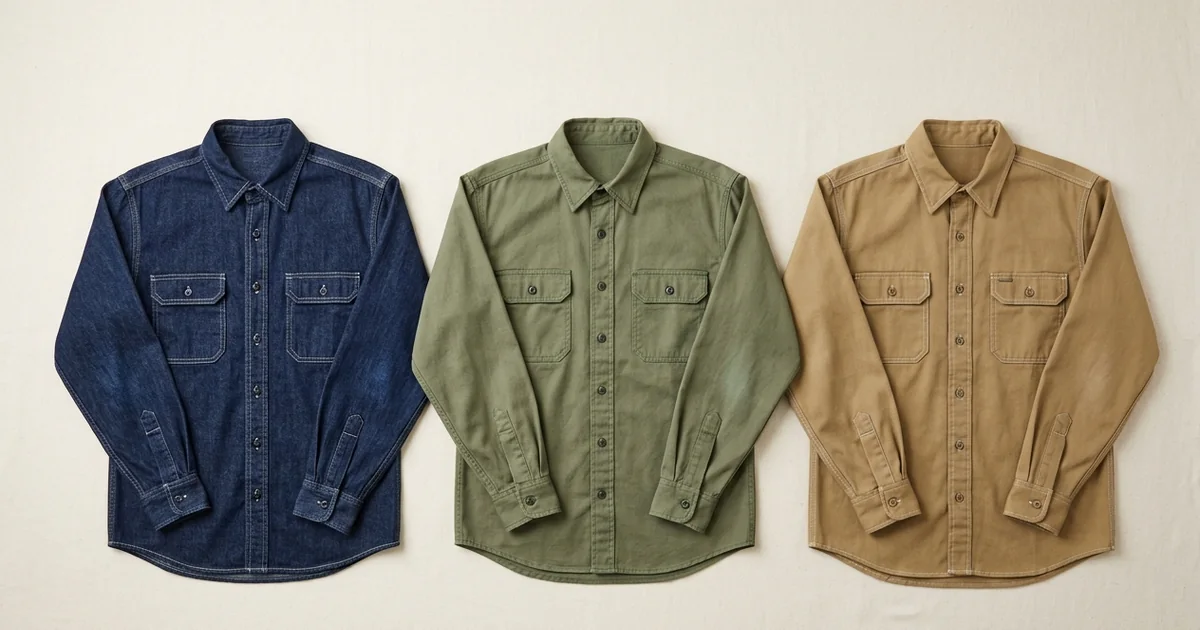
- The look is the selling point: plaids, denim washes and chambray that pass as everyday Western/ranch wear. That's a genuine reason to pick Forge over plainer industrial brands.
- The real women's line is a standout: Forge runs a dedicated ladies' range — shirts, henleys, crew tees, jeans, hoodies, polos — not the usual single token women's SKU.
- The two cons: premium brand-site pricing ($72+ for a basic solid shirt) and shaky stock — several SKUs showed sold out when I looked.
Is Forge FR legit?
Yes — by the only test that matters for an FR brand, Forge passes. The way you confirm a garment is genuinely flame-resistant and not a cheap "FR-look" knockoff is to read the tag and listing for three things: a named standard, a third-party certification, and (for electrical work) a cal/cm² arc rating. Every Forge piece I pulled up had all three. The solid navy shirt's listing states "UL certified NFPA 2112 – 2023" with "ATPV 8.2 cal/cm2, HRC/CAT 2." The denim stretch jean states NFPA 2112-2023 and ATPV 13 cal/cm². That's the documentation an honest FR buyer should be looking for, and it's exactly what the bargain-bin imposters leave off.
Forge is its own brand — not a reseller relabeling someone else's blanks — and it's sold heavily on Amazon alongside its own site. One thing I'll be straight about: Forge's country of origin isn't publicly disclosed, so I won't claim a "made-in-USA" or any other origin for it. The certification is what carries the protection claim, not a flag on the label. And to head off a question I get a lot — no, Forge has no known relationship with Benchmark FR or any other brand on this site; treat it on its own merits.
Forge FR quality: what you're actually getting
The fabric story is consistent across the line: treated FR cotton and cotton-nylon, in sensible work weights. The shirts I checked are 7 oz — the solid navy is an 88% cotton / 12% nylon blend, and the printed plaids are 100% cotton with the brand's FRDURATEX treatment. The denim stretch jean is a 10.5 oz, 98% cotton / 2% stretch denim. Those are real, work-appropriate specs, not vanity numbers.
Where Forge genuinely earns its keep is the look. Most FR shirts read like exactly what they are — industrial safety apparel. Forge's plaids, faded denim washes and chambray pass as everyday Western/ranch wear, with a more fashion-leaning cut than the big industrial labels. If you're a welder, oilfield hand or lineman who's tired of looking like a walking PPE catalog off the clock, that's a legitimate reason to pay up.
The honest limitation is the one baked into every treated-cotton FR garment: 100% cotton breathes less efficiently than a lighter inherent fabric in real summer heat, and the FR is a finish, not the fiber itself. Forge's finish is rated to survive the life of the garment, but only if you wash it right — which brings us to the part most buyers skip.
The rating, and the care that protects it
Let me be precise about what "CAT 2" means here, because it's the spec people get wrong. Forge's shirts state ATPV 8.2 cal/cm² and the denim stretch jean states 13 cal/cm². Under NFPA 70E, CAT 2 means an arc rating of at least 8 cal/cm². So both clear CAT 2 — fine for the large share of electrical and oilfield work that lands in that category. What CAT 2 is not is a blank check: if your job's incident-energy analysis puts you at CAT 3 (≥25 cal) or CAT 4 (≥40 cal), a single Forge shirt isn't enough, and you need higher-rated garments or layering. Know your hazard before you trust any one number.
Because Forge is treated cotton, aftercare is part of the safety equation, not an afterthought. Skip chlorine bleach, skip fabric softener, skip starch, and don't let the garment sit saturated in grease or oil — oil-soaked FR cotton is a fire hazard regardless of the finish underneath. Treated FR holds its protection for the garment's life when it's laundered correctly; abuse it and you're degrading the thing keeping you safe. If you want the full routine, see how to wash FR clothing, and if you're still deciding between fabric types, inherent vs treated FR lays out the trade-off.
Forge FR sizing & fit
Forge cuts a fashion-leaning fit rather than the boxy industrial pattern you get from some volume brands — the shirts are styled to look like normal Western shirts, so they read a touch more tailored. On the jeans, the listings carry standard waist-and-inseam options, and the denim stretch jean's 2% stretch is the comfort upgrade here; buy your everyday jean waist and you'll be in the right neighborhood. A practical note for FR specifically: don't size FR clothing skin-tight. FR protects best with a little air gap between the fabric and your skin, so if you're between sizes on a base shirt, take the looser one rather than the compression fit.
The Forge FR women's line — a real one
This is where Forge separates itself, and it's worth calling out because it's rare. A lot of "women's FR" amounts to a men's small with a different label. Forge runs an actual dedicated ladies' range — flame-resistant shirts, henleys, crew-neck tees, jeans, hoodies and polos — built and cut for women rather than retrofitted. For women in the trades who've spent years fighting an ill-fitting men's pattern, a brand that treats women's FR as a full category instead of an afterthought is a genuine reason to start here. Same caveats apply across the line: it's treated FR, confirm the rating on each listing, and check stock.
Where Forge falls short
Two things keep me from calling it a slam-dunk. First, price: brand-site MSRP starts around $72 for a basic solid shirt and climbs past $96 for the printed plaids — that's premium money for treated cotton, when value brands certify to the same NFPA 2112 for less. Second, stock: when I checked, several core SKUs — the solid navy shirt, the grey plaid, the denim stretch jean — all showed sold out on Forge's own site. That's the recurring complaint with Forge: the gear is good, but actually buying it from the brand is hit-or-miss, which is why most people end up on Amazon or a third-party workwear retailer where availability (and often price) is better. Shop the deal, not the MSRP.
Forge FR picks worth buying
If Forge's look and women's line are what drew you in, these are the pieces I'd point you to — with the honest spec on each. Prices are from Forge's own site at the time of writing. Brand-site stock has been unreliable, and Forge also sells widely on Amazon and through third-party workwear retailers — so if your size is out at the brand, it's worth checking those.
Forge FR Men's Solid Navy Long-Sleeve Shirt — best one-shirt pick
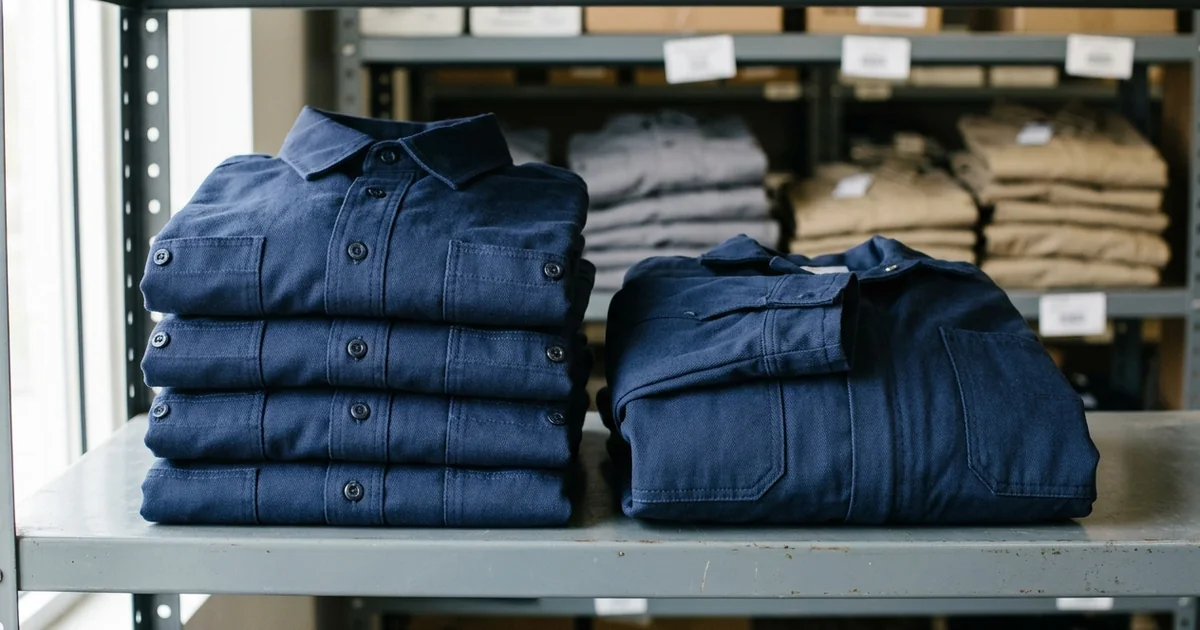
If you want a single, do-everything FR shirt that doesn't scream "safety apparel," this is the one. The listing states 7 oz 88% cotton / 12% nylon, UL-certified NFPA 2112-2023, ATPV 8.2 cal/cm² (CAT 2). The cotton-nylon blend is a smart everyday weight, and a solid navy goes with everything on or off the clock.
- Pros: sensible 7 oz blend; clean look; CAT 2 rating and UL cert stated on the tag.
- Cons: $72 MSRP is premium for treated cotton; showed sold out on the brand site when I checked; treated FR means careful laundering.
Forge FR Men's Grey Plaid Long-Sleeve Shirt — best for the look
This is what Forge is known for: an FR shirt that passes as a normal plaid flannel. The listing states 7 oz 100% cotton FRDURATEX, ATPV 8.2 cal/cm² (CAT 2), UL-certified to NFPA 2112-2018. Buy it because you want FR that looks like real clothes — just know you're paying for the style.
- Pros: genuinely good-looking print and cut; CAT 2 rating; reads as everyday Western wear.
- Cons: $96 is a lot for treated cotton; the print is a graphic layer, so wash gently; 100% cotton runs warmer in summer than a blend.
Forge FR Men's Denim Stretch Jeans — best Forge bottom
The most well-reasoned product in the catalog. The listing states 10.5 oz 98% cotton / 2% stretch FRDURATEX denim, NFPA 2112-2023, ATPV 13 cal/cm² (CAT 2). The little bit of stretch is a real upgrade over board-stiff FR denim, and the 13 cal rating gives you more headroom than the shirts.
- Pros: 2% stretch makes it actually comfortable to work in; 13 cal/cm² CAT 2; sizes close to a standard jean.
- Cons: $97.50 MSRP; brand-site stock unreliable; still treated FR, so launder by the rules.
Honest alternatives to Forge FR
Forge isn't the only answer, and a good reviewer tells you when something else fits better:
- Want it cheaper, same certification? Bulwark's Excel FR line is the volume default in industrial FR — carried by nearly every workwear retailer, with entry shirts around $62 and a huge size range. Most of its affordable styles are treated 100% cotton at CAT 1, so check the rating, but for sheer availability and value it's hard to beat.
- Want verified US-made, premium inherent FR? Benchmark FR is genuinely manufactured in Santa Ana, CA (est. 2002) and UL-classified to NFPA 2112 — the one brand here whose origin I can state as fact. You pay more and buy mostly direct, but you're getting documented domestic manufacturing and inherent-fabric options.
- Want a wide fabric range under one roof? Rasco FR spans budget treated cotton up to lighter, more breathable inherent fabrics like DH Air and GlenGuard — handy if you want to step up to a cooler summer shirt without changing brands. Read each SKU's spec, since Rasco mixes treated and inherent under similar styling.
- Want it at any store, today? Carhartt FR is the most widely stocked mass-market name, with big-and-tall sizing and rugged duck outerwear. It's mostly treated cotton like Forge, but you can find it almost anywhere and try it on.
If you're newer to all this, start with what FR clothing actually is and how to spot fake FR clothing before you spend a dime — they'll save you from the imposters Forge is decisively not one of.
Frequently Asked Questions
Is Forge FR a good brand?
Yes, with a clear trade-off. Forge is a legitimate NFPA 2112-certified FR brand whose shirts and jeans show a UL certification and a stated cal/cm² arc rating — the marks of real FR. Its strengths are looks (plaids, denim washes) and a genuine women's line. Its weaknesses are premium pricing and inconsistent stock, which often pushes buyers to Amazon or third-party retailers.
Is Forge FR rated for arc flash, and what CAT?
The Forge shirts I checked state ATPV 8.2 cal/cm² and the denim stretch jean states 13 cal/cm², which both meet NFPA 70E CAT 2 (a minimum 8 cal/cm² arc rating). That covers a large share of arc-flash CAT 2 work. It is not sufficient for CAT 3 (25 cal) or CAT 4 (40 cal) hazards — confirm your job's required category before relying on any single garment.
Is Forge FR inherent or treated?
Forge is treated FR — flame resistance is a chemical finish (it markets a "FRDURATEX" treatment) applied to cotton and cotton-nylon, not an inherent fiber property like aramid. Treated FR can certify to NFPA 2112 and lasts the garment's life if you launder it correctly, but it means aftercare matters: no chlorine bleach, no fabric softener, no starch.
How does Forge FR fit and size?
Forge cuts a more fashion-leaning, slightly tailored fit than boxy industrial brands, so the shirts read closer to normal Western shirts. The jeans run close to a standard jean waist and inseam; buy your everyday size. For FR safety, avoid sizing a base layer skin-tight — a little air gap improves protection, so when between sizes, take the looser one.
Does Forge FR make women's clothing?
Yes, and it's a real line, not a token SKU. Forge runs a dedicated ladies' FR range that includes shirts, henleys, crew-neck tees, jeans, hoodies and polos, cut for women rather than relabeled men's gear. That's relatively uncommon in FR and a solid reason for tradeswomen to start with Forge. The same notes apply: treated FR, and confirm each listing's rating and stock.
Why Trust This Guide
This guide is written and reviewed by Wes Calder, an independent flame-resistant-workwear reviewer. Every recommendation is built on the published standards (NFPA 2112, NFPA 70E, ASTM F1506), manufacturer spec sheets and garment tags, hands-on handling, and what tradespeople actually report — and we tell you when a number is a manufacturer claim versus an independent standard, and when a garment is FR but not arc-rated. We earn an affiliate commission if you buy through some of our links, at no extra cost to you, and we never rank by commission over safety — see our affiliate disclosure.