
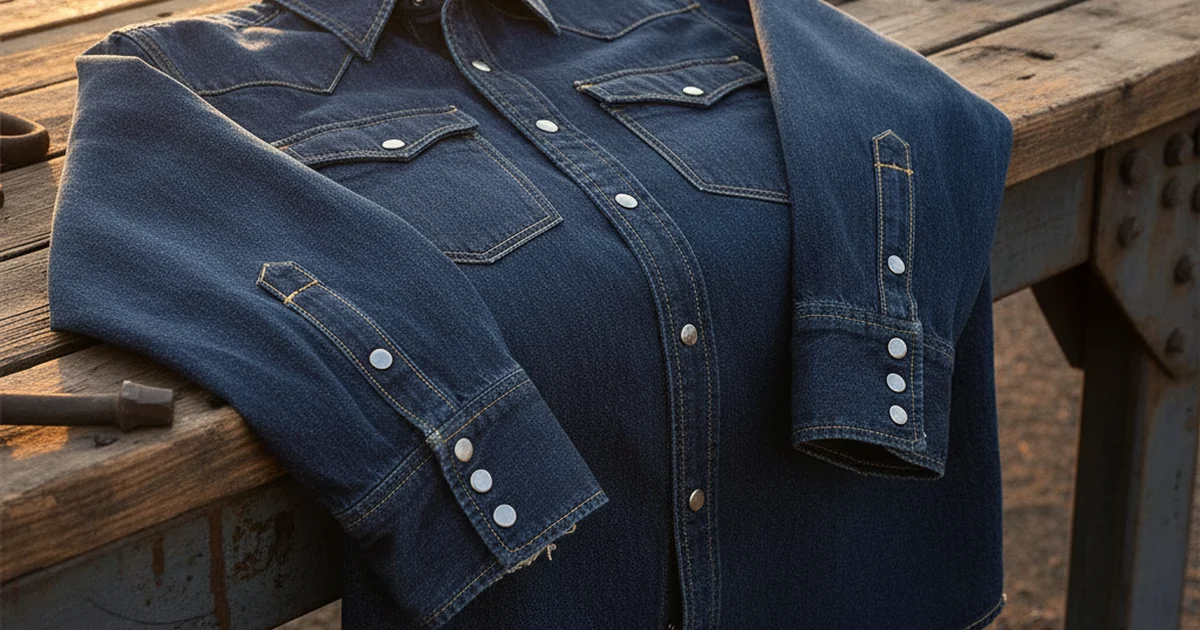
Rasco FR is a value-priced flame-resistant clothing brand, and for most treated-cotton FR work shirts and pants it's a genuinely good deal — you get NFPA 2112 and (on rated items) ASTM F1506 / CAT 2 certification at prices that undercut the legacy names. The catch isn't the protection; it's that Rasco's catalog quietly mixes treated and inherent fabrics under similar styling, so the "value" you get depends entirely on which SKU you grab. Flame-resistant (FR) clothing resists ignition, self-extinguishes, and won't melt onto skin — it is not "fireproof."
Key Takeaways
- Verdict: Rasco FR is a legitimate value pick for treated-cotton FR basics — a strong price-to-protection ratio for oilfield, utility, and welding crews who need certified gear without legacy-brand pricing.
- The fabric trap: Rasco sells both treated-cotton FR and premium inherent fabrics (DH Air, GlenGuard) under similar styling. They are not interchangeable on feel, breathability, or durability — read the spec before you buy.
- Certified: Rasco garments are classified to NFPA 2112, with CAT 2 and ASTM F1506 on arc-rated items, per the brand's listings. All arc-rated clothing is FR; not all FR is arc-rated — check the cal/cm² if you face an arc-flash hazard.
- Honest gap: Rasco's country-of-origin isn't publicly disclosed, and the value advantage shrinks once you step up to its inherent fabrics — at that tier you're shopping against Bulwark Nomex and Benchmark.
- In business since 2001 with a broad men's and women's catalog, so fit and size availability are rarely the problem.
Who is Rasco FR — and who's it actually for?
Rasco FR has been making flame-resistant clothing since 2001, and the brand's whole pitch is value: certified FR for industrial, oilfield, utility, and welding crews at prices below what you'd pay for Carhartt FR or Bulwark. The catalog is broad — shirts, T-shirts and henleys, pants and jeans, coveralls, bib overalls, jackets, and hoodies, with real men's and women's lines and hi-vis uniform options.
If you're a crew supervisor buying FR for a team on a budget, or a tradesperson who needs to be NFPA 2112 compliant without spending $130 a shirt, Rasco is squarely aimed at you. Where I'd point you elsewhere: if you want the lightest, most breathable inherent FR you can get, or you're chasing a high cal/cm² arc rating, Rasco isn't always the value play once you're at that tier — more on that below.
One honest note on the brand itself: Rasco's country-of-origin isn't something I can verify from public sources, so I won't claim it either way. The 2001 founding date is corroborated; the manufacturing location is not publicly disclosed. That's not a knock — it's just a gap legacy brands like Benchmark (Made-in-USA, Santa Ana, CA) close and Rasco doesn't.
The fabric mix is the whole story
Here's the thing most Rasco buyers miss until the shirt shows up. Rasco runs two fundamentally different kinds of FR fabric under similar-looking styles, and they don't perform the same.
- Treated FR cotton/denim — most of Rasco's affordable basics. A chemical FR finish is applied to cotton. It lasts the life of the garment if you launder it correctly (no chlorine bleach, no fabric softener, no starch). This is where Rasco's value lives.
- Inherent FR — Rasco's premium fabrics like DH Air and GlenGuard, plus FR 88/12 blends, partnering with names like Westex by Milliken, Polartec, and Glen Raven. The FR is built into the fiber itself and can't wash out. It runs lighter and breathes better, but costs more.
Why this matters: a treated-cotton Rasco shirt and an inherent DH Air Rasco shirt are not the same product at a different price. They differ on durability, hand-feel, and breathability. The catalog styling doesn't make that obvious, so you have to read the spec line. If a listing says "DH Air" or "GlenGuard," you're in inherent territory; if it just says FR cotton or FR cotton twill, it's treated. Both can carry NFPA 2112 — but they are not interchangeable, and buying the wrong one for your conditions is the #1 way to be disappointed by Rasco.
The Rasco FR picks worth knowing
I'm ranking these on honest fit-for-purpose, not on what earns a commission. A few of Rasco's own SKUs are worth calling out so you can see where the value lands.
| Pick | Fabric / weight | Rating (per listing) | Real-world catch | Price |
|---|---|---|---|---|
| DH Air Uniform Shirt | Inherent FR (DH Air) | NFPA 2112 / CAT 2 / F1506 | Value edge fades vs. other inherent shirts | From $121.99 |
| Lightweight Work Shirt | Treated FR cotton, 7.5oz, snap | NFPA 2112 / CAT 2 | Launder right or you'll degrade it | $82.00 |
| FR Long-Sleeve T-Shirt | Treated FR cotton | NFPA 2112 | Sturdier hand than a soft cotton tee | From $39.99 |
1. Rasco FR DH Air Uniform Shirt — best Rasco for breathability
This is the Rasco I'd actually reach for if you work hot and want inherent FR. DH Air is one of Rasco's lighter, more breathable inherent fabrics, classified to NFPA 2112, CAT 2, and ASTM F1506 per the brand listing — so it's a dual-hazard option that won't wash its protection out.
- Pros: Inherent FR (can't wash out), runs lighter and breathes better than treated cotton, arc-rated CAT 2 per the listing.
- Cons: At $120+, the value advantage that defines Rasco mostly evaporates — you're now shopping against Bulwark's Nomex shirts and Benchmark's inherent line, where the comparison gets genuinely close.
2. Rasco FR Lightweight Work Shirt (7.5oz snap) — best value treated-cotton pick
This is the shirt that earns Rasco its reputation. A 7.5oz treated-cotton FR work shirt with a snap front, classified to NFPA 2112, CAT 2 per the listing, at a price that undercuts the legacy names. If you want a no-drama compliant work shirt and don't need inherent fabric, this is the sweet spot.
- Pros: Strong price-to-protection ratio, NFPA 2112 / CAT 2, honest workwear cut, snap front.
- Cons: Treated FR — launder it right (no fabric softener, no chlorine bleach) or you'll shorten its life; it reads as workwear, not fashion (Forge FR is the call if you want plaids and Western styling).
3. Rasco FR Long-Sleeve T-Shirt — cheapest way into a certified FR base layer
From $39.99, this is among the more affordable certified FR tees out there and a sane base layer under a CAT 2 shirt. It's treated cotton, so it carries a sturdier hand than a soft everyday tee — fine on the job, not loungewear.
- Pros: Low entry price for certified FR (NFPA 2112 per the listing), good base layer, broad size range.
- Cons: Treated cotton means a heavier hand-feel than a soft cotton tee; not a substitute for an arc-rated outer layer where you face an arc-flash hazard.
When to buy something other than Rasco
Rasco isn't always the right call, and I'd rather tell you straight:
- You want premium inherent FR or Made-in-USA: Benchmark FR (Santa Ana, CA, est. 2002) is genuinely US-manufactured and UL-classified to NFPA 2112, with a distinctive styling range. You'll pay more, but the provenance and inherent options are documented.
- You want the widest selection and easiest availability: Bulwark is the volume default in industrial FR — huge range, carried by nearly every workwear retailer, in both treated Excel FR and inherent Nomex. Entry shirts start around $62.
- You want FR that looks like everyday ranch/Western wear: Forge FR leans fashion — plaids, denim washes, chambray — while still meeting NFPA 2112. MSRP runs higher and stock is inconsistent.
- You need premium inherent cold-weather outerwear: Dragonwear's Super Fleece jackets are inherent, dual-hazard certified, and rated up to CAT 4 / 40 cal/cm² on flagship pieces — a different (and pricier) league than Rasco's lineup.
For a straightforward, certified, value-priced FR shirt or pant for a crew on a budget, Rasco remains a sensible default. Just buy the right fabric for your conditions, and don't expect the budget price on its inherent SKUs.
Frequently Asked Questions
Is Rasco FR a good brand?
Yes, for value-priced certified FR. Rasco FR has made flame-resistant clothing since 2001 and offers a strong price-to-protection ratio on treated-cotton basics, with NFPA 2112 and CAT 2 / ASTM F1506 on rated items per its listings. The main caution is that it mixes treated and inherent fabrics under similar styling, so read the spec before you buy.
Is Rasco FR clothing NFPA 2112 certified?
Rasco garments are classified to NFPA 2112 per the brand's listings, with CAT 2 and ASTM F1506 on arc-rated items. NFPA 2112 is the flash-fire garment standard for oil and gas; ASTM F1506 covers FR and arc-rated apparel for electrical work. Always confirm the specific standard and any cal/cm² arc rating on the garment's own tag and listing before relying on it.
Is Rasco FR inherent or treated?
Both. Rasco sells treated FR cotton and denim for its affordable basics, plus inherent FR fabrics like DH Air, GlenGuard, and FR 88/12 blends at a higher tier. Inherent FR is built into the fiber and can't wash out; treated FR is a finish that lasts the garment's life if laundered correctly. They differ on feel, breathability, and durability, so check which one a SKU uses.
Where is Rasco FR made?
Rasco's country-of-origin isn't publicly disclosed, so I won't claim it. The 2001 founding date is corroborated, but the manufacturing location isn't established in public sources. If domestic manufacturing matters to you, Benchmark FR openly states it's made in Santa Ana, California — Rasco does not make that claim.
How do you wash Rasco FR clothing?
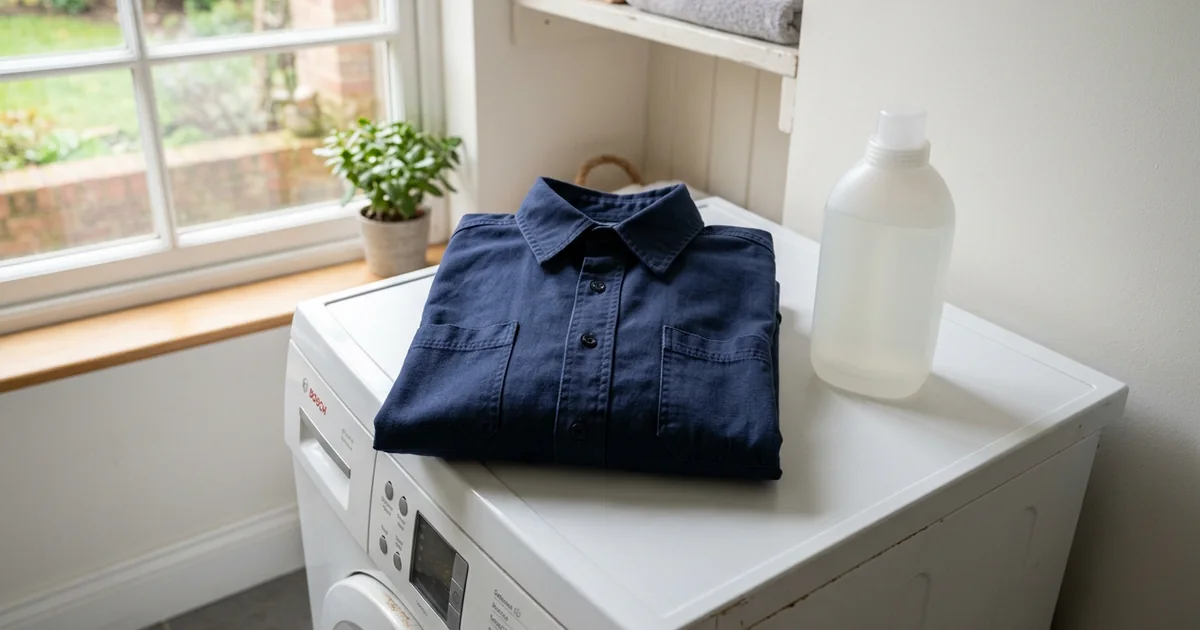
Follow general FR care: avoid chlorine bleach, hydrogen-peroxide bleach, fabric softener, and starch, since these can mask or degrade the FR finish — especially on treated-cotton garments. Keep the fabric free of grease and oil saturation, which is itself a fire hazard. Always follow the care tag, and remember FR is flame-resistant, not fireproof.
Why Trust This Guide
This guide is written and reviewed by Wes Calder, an independent flame-resistant-workwear reviewer. Every recommendation is built on the published standards (NFPA 2112, NFPA 70E, ASTM F1506), manufacturer spec sheets and garment tags, hands-on handling, and what tradespeople actually report — and we tell you when a number is a manufacturer claim versus an independent standard, and when a garment is FR but not arc-rated. We earn an affiliate commission if you buy through some of our links, at no extra cost to you, and we never rank by commission over safety — see our affiliate disclosure.