
If you need a shirt that's both hi-vis (ANSI/ISEA 107) and flame-resistant, the honest short answer is that the field is narrow: the Carhartt Force Midweight Class 3 knit tee (105784) is the one I'd put on for roadside and utility work, because it's an inherent FR blend at a wearable 6.5 oz and it's UL Classified to NFPA 2112. The catch across this whole category is that a single garment doing two jobs almost always tells you less than you want about the second one — most "hi-vis FR" listings publish the visibility class but not the actual arc rating. A hi-vis FR shirt is high-visibility safety clothing (fluorescent background + retroreflective tape, rated ANSI/ISEA 107) made from a flame-resistant fabric that self-extinguishes instead of melting onto skin — not "fireproof," and not automatically arc-rated.
Key Takeaways
- Two standards, one shirt: a true hi-vis FR shirt has to clear ANSI/ISEA 107 (visibility class) AND a flame-resistance standard like NFPA 2112 (flash fire). Many "FR-colored" shirts hit one and not the other — check both on the tag.
- Class 3 is the roadside target: the picks here are ANSI/ISEA 107 Class 3 Type R, the highest visibility class for workers near moving traffic. Class 2 is enough for some site work; Class 3 is what flaggers and roadside utility crews usually need.
- Inherent FR won't fade out: the modacrylic/aramid knit in the 105784 is inherent FR — the flame resistance is in the fiber, so it survives the wash. The fluorescent dye and tape are a separate durability question (more below).
- FR ≠ arc-rated: both verified picks state NFPA 2112 but do not publish an ATPV cal/cm². If your job has an arc-flash hazard, NFPA 2112 alone isn't the same as an arc rating — confirm the cal number before you rely on it.
- Expect to pay: a genuine inherent-FR Class 3 shirt runs about $153 here. A standard FR work shirt plus a separate FR hi-vis vest is the budget route if you can't justify the all-in-one.
What actually makes a shirt both hi-vis and FR?
This is where most buyers get tripped up, so I'll be blunt. Three things have to be true at once, and a shirt can pass one or two while failing the rest:
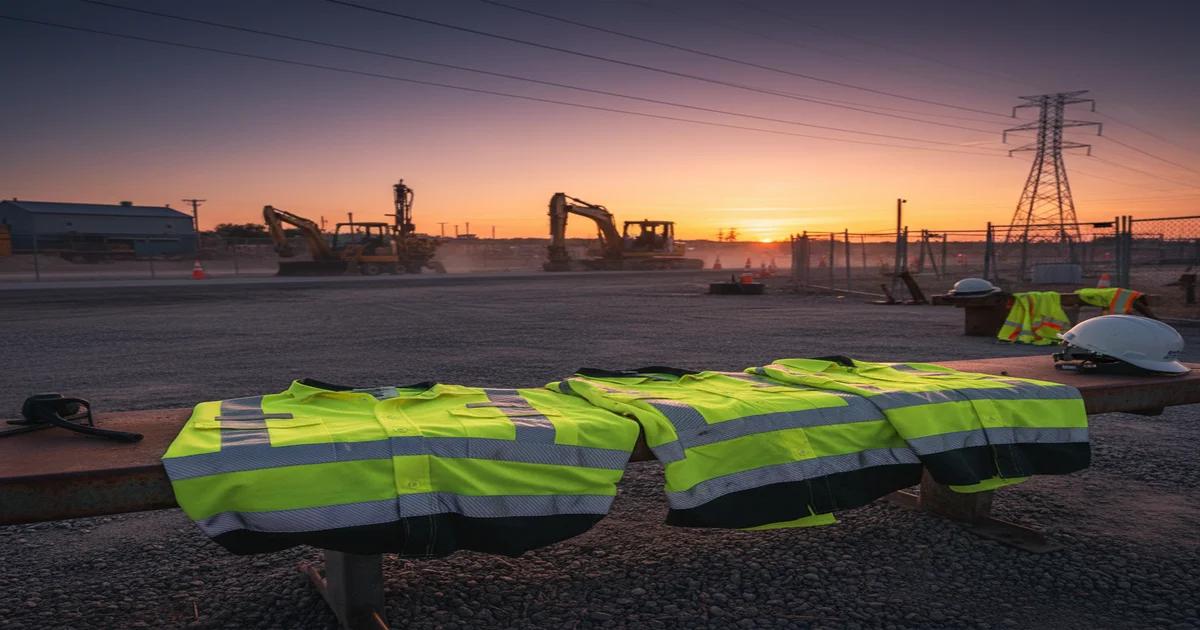
- Visibility: rated to ANSI/ISEA 107, with a class (1, 2, or 3) that sets how much fluorescent background and retroreflective tape it has. Class 3 is the highest — full sleeves with tape — and it's the class roadside and utility crews near traffic typically need.
- Flame resistance: the fabric self-extinguishes. The benchmark for flash-fire work is NFPA 2112 (the ASTM F1930 manikin test). A lime-colored shirt that isn't certified FR will happily melt — fluorescent polyester is the opposite of what you want near fire.
- Arc rating (only if your hazard needs it): arc-rated apparel carries an ATPV in cal/cm² under ASTM F1506, and the NFPA 70E category (CAT 1–4) is set by that number. All arc-rated clothing is FR; not all FR clothing is arc-rated. Both shirts below are NFPA 2112 but neither publishes a cal/cm², so I treat them as FR-and-hi-vis, not as a known arc-flash garment.
The reason there are so few honest options is simple: a fluorescent fabric that also passes NFPA 2112 is a real engineering problem, and the brands that solve it (here, Carhartt's inherent modacrylic/aramid Force line) charge for it. If a "hi-vis FR" shirt is $40 and silent on its certifications, that's exactly the situation I cover in how to spot fake FR clothing — assume nothing the tag doesn't state.
Hi-vis FR shirts compared
| Pick | Fabric / weight | FR cert | Visibility | Arc rating | Price |
|---|---|---|---|---|---|
| Carhartt 105784 (knit tee) | 48% TENCEL Lyocell / 40% modacrylic / 12% aramid, inherent — 6.5 oz | UL Classified to NFPA 2112 | ANSI/ISEA 107 Class 3 Type R | CAT 2 (cal/cm² not stated) | $152.99 |
| Carhartt 102843 (button-down) | Inherent FR blend (48% modacrylic / 3% Lyocell / 15% aramid stated; remainder not itemized) — 6.75 oz | Meets NFPA 2112 | ANSI/ISEA 107 Class 3 Type R | — | $152.99 |
| Standard FR shirt + FR hi-vis vest | varies — see your FR shirt's tag | shirt: NFPA 2112 if stated; vest: FR + ANSI 107 | vest-dependent (Class 2/3) | shirt-dependent | varies |
Two cells are blank on purpose. The 102843 publishes no cal/cm² and the fiber percentages on its page don't sum to 100%, so I won't guess — I'd rather show you a "—" than hand you a number Carhartt didn't print. That's the difference between a buyer-side review and a brand blog.
1. Carhartt Force Midweight Class 3 Tee (105784) — best overall hi-vis FR shirt
This is the one I'd actually reach for. It's the rare garment that hits both jobs without a glaring compromise: ANSI/ISEA 107 Class 3 Type R visibility for roadside and traffic-adjacent work, and an inherent FR knit — 48% TENCEL Lyocell / 40% modacrylic / 12% aramid — that's UL Classified to NFPA 2112. "Inherent" is the part that matters for a hi-vis shirt's lifespan: the flame resistance is engineered into the fiber, so it can't wash out the way a topical FR finish degrades. At 6.5 oz it's a midweight knit, which is about as breathable as a Class 3 garment gets — a real consideration when you're flagging in July.
The honest limits: it's a knit tee, so a fluorescent lime knit shows grime faster than a woven button-up, and the page lists CAT 2 but never publishes the actual ATPV cal/cm². That's fine if you just need FR + visibility; it's a problem if you're sizing PPE to a specific arc-flash boundary, because you can't do that math without the number. And at $152.99 it's a premium buy — but that's roughly what an inherent-FR Class 3 shirt costs from anyone.
- Pros: inherent FR (won't wash out); UL Classified to NFPA 2112; full ANSI 107 Class 3 visibility; light 6.5 oz knit that breathes; comfortable next-to-skin feel.
- Cons: no published cal/cm² so you can't size it to an arc-flash boundary; lime knit soils and stains faster than a woven shirt; premium price.
Who it's for: roadside, traffic-control, and utility crews who need Class 3 visibility plus flash-fire protection in one comfortable shirt and aren't pinned to a specific arc rating.
Check price at Working Person's Store →
2. Carhartt Force Hybrid FR High-Vis Button-Down (102843) — best if you want a woven, professional look
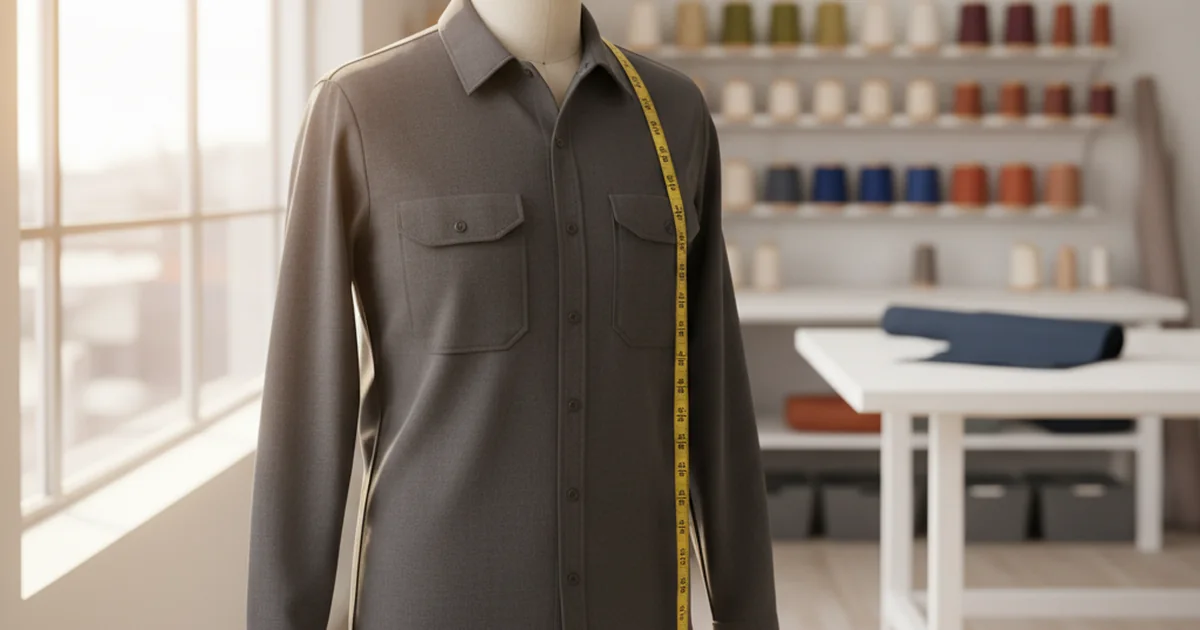
If you'd rather have a collar and a button placket than a tee — for the cleaner look, or because a woven shirt holds up better to dirt — this is the woven counterpart. It's an inherent FR blend (the page states 48% modacrylic / 3% Lyocell / 15% aramid, with the remainder not itemized), at 6.75 oz, that meets NFPA 2112 and carries the same ANSI/ISEA 107 Class 3 Type R visibility. A woven button-down stays presentable longer than a lime knit and is easier to keep looking like a uniform.
Where I'd slow you down: the listing publishes no arc rating at all — no cal/cm², no CAT — so it's an even bigger blank than the tee on the arc-flash question. And the stated fiber percentages (48 + 3 + 15) don't add up to 100%, which means the page is incomplete. None of that makes it unsafe; it means I'd confirm the full fabric composition and any arc rating directly with Carhartt before counting on it near an arc-flash hazard. For pure flash-fire-plus-visibility work, it's a solid, professional-looking option at the same $152.99.
- Pros: woven button-down (cleaner, more uniform look, hides soil better than a knit); inherent FR blend; meets NFPA 2112; ANSI 107 Class 3 visibility.
- Cons: no arc rating published (no cal/cm², no CAT); listed fiber percentages don't total 100% — verify full composition; same premium price as the tee.
Who it's for: crews who want a collared, professional FR hi-vis shirt for flash-fire work and don't need a documented arc rating — and who'll confirm the spec sheet before any arc-flash use.
Check price at Working Person's Store →
3. The budget route: a standard FR shirt + a separate FR hi-vis vest
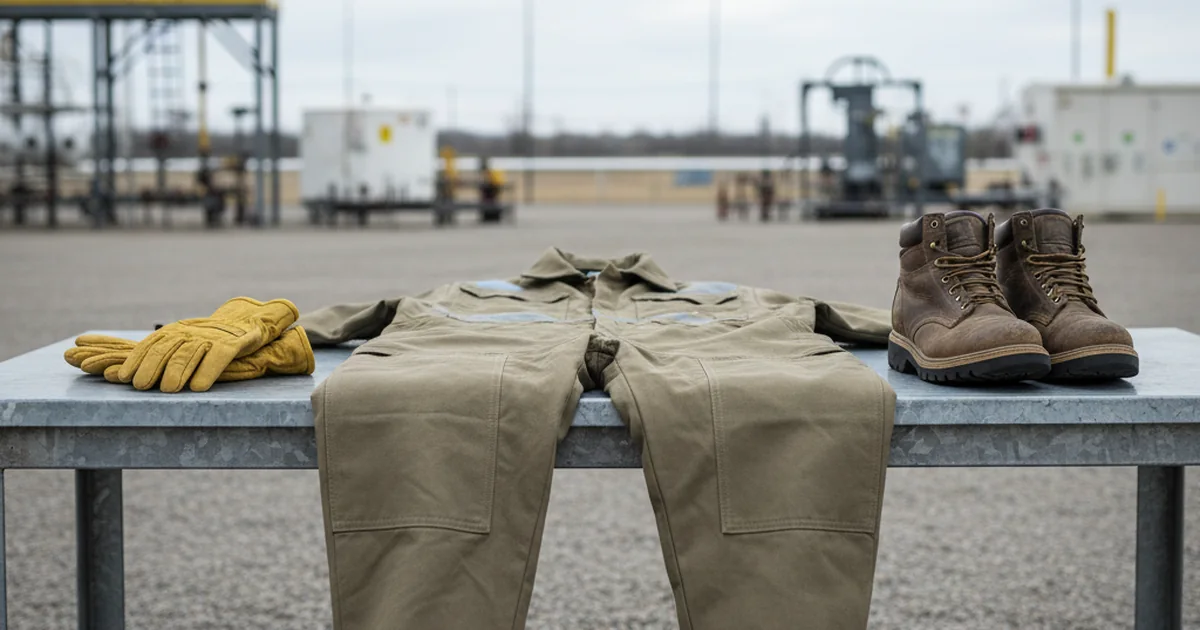
I'll be straight with you: genuine all-in-one hi-vis FR shirts are a short list and a premium buy. If $153 is more than the job justifies — or you want to mix visibility levels day to day — the proven workaround is to wear a standard FR work shirt under a separate FR-rated ANSI 107 hi-vis vest. That's how a lot of utility and oilfield crews actually run it, because it splits the cost and lets you swap visibility on and off.
Two rules if you go this way. First, the vest itself must be FR — a normal polyester hi-vis vest over an FR shirt defeats the entire point, because the vest will melt. Second, the shirt underneath still has to carry its own FR certification; the vest doesn't make the shirt FR. For the base layer, a plain CAT 2 button-up like the ones in my best FR long-sleeve shirts guide is a sensible starting point — pick one whose tag actually states NFPA 2112 and an ATPV if you need the arc number, then add the FR vest on top. It's not as clean as a single Class 3 shirt, but it's honest, flexible, and easier on the wallet.
I'm not linking a specific vest here because I haven't verified one to the same standard as the shirts above, and I won't recommend a safety garment I can't source. Buy the vest from a listing that plainly states both "FR" and "ANSI/ISEA 107," and treat anything silent on those two the way I'd treat any unmarked FR claim.
Does the hi-vis color fade after washing?
This is the question I get most from roadside crews, and it's the right thing to worry about — a Class 3 shirt that's gone dull is a Class 3 shirt in name only. Here's the honest picture. The flame resistance on these picks is inherent (in the fiber), so it does not wash out. The fluorescent dye and retroreflective tape are a separate system, and ANSI/ISEA 107 garments are rated for a stated number of wash cycles before the manufacturer no longer warrants the visibility — that's a property of the dye and tape, not the FR.
What actually kills hi-vis brightness early is the same chemistry that damages FR: harsh detergents, bleach, fabric softener, and heavy soil. The single best thing you can do to keep both the color and the protection is to wash FR hi-vis correctly — no bleach, no softener, no starch, and don't let grease saturate the fabric (saturated grease is itself a fire hazard). I walk through the full routine in how to wash FR clothing; following it is the difference between a shirt that stays bright for its rated life and one that's faded by spring. When the fluorescent background visibly dulls or the tape cracks, retire it — at that point it's no longer doing the one job hi-vis exists for.
Frequently Asked Questions
What does "hi-vis FR" actually mean?
A hi-vis FR shirt has to clear two separate standards: ANSI/ISEA 107 for high-visibility (the fluorescent background plus retroreflective tape, rated by class) and a flame-resistance standard like NFPA 2112 for flash fire. A shirt can be one without the other — a fluorescent shirt that isn't certified FR will melt, and an FR shirt without ANSI 107 tape won't keep you visible. Check the tag for both.
Do I need ANSI Class 2 or Class 3?
Class 3 is the highest, with full-coverage fluorescent fabric and tape across the torso and sleeves — it's what flaggers, roadside crews, and anyone near moving traffic typically needs. Class 2 has less background and tape and is acceptable for some lower-speed or off-road site work. Both shirts I recommend here are Class 3 Type R. If your employer specifies a class, follow that; when in doubt near traffic, go Class 3.
Are hi-vis FR shirts arc-rated?
Not automatically. All arc-rated clothing is FR, but not all FR clothing is arc-rated. Both verified picks here state NFPA 2112 (flash fire) but do not publish an ATPV in cal/cm², so they aren't documented arc-flash garments. If your job has an arc-flash hazard, you need a garment with a stated arc rating and an NFPA 70E category — confirm the cal/cm² before you rely on any shirt for arc protection.
Can I just wear a regular hi-vis vest over an FR shirt?
Only if the vest is itself FR-rated. A standard polyester hi-vis vest will melt in a flash fire, which defeats the protection of the FR shirt underneath and can make an injury worse. If you go the shirt-plus-vest route, both pieces have to be FR: the shirt carries its own NFPA 2112 certification, and the vest must be both FR and ANSI/ISEA 107. Don't pair an FR shirt with a non-FR vest.
Will the hi-vis color fade after a few washes?
The flame resistance on inherent-FR shirts like these won't wash out, but the fluorescent dye and reflective tape are rated only for a stated number of wash cycles, and harsh care shortens that fast. Skip bleach, fabric softener, and starch, wash in cool or warm water, and don't let grease saturate the fabric. Retire any hi-vis garment once the background visibly dulls or the tape cracks — at that point it no longer provides its rated visibility.
Why Trust This Guide
This guide is written and reviewed by Wes Calder, an independent flame-resistant-workwear reviewer. Every recommendation is built on the published standards (NFPA 2112, NFPA 70E, ASTM F1506), manufacturer spec sheets and garment tags, hands-on handling, and what tradespeople actually report — and we tell you when a number is a manufacturer claim versus an independent standard, and when a garment is FR but not arc-rated. We earn an affiliate commission if you buy through some of our links, at no extra cost to you, and we never rank by commission over safety — see our affiliate disclosure.