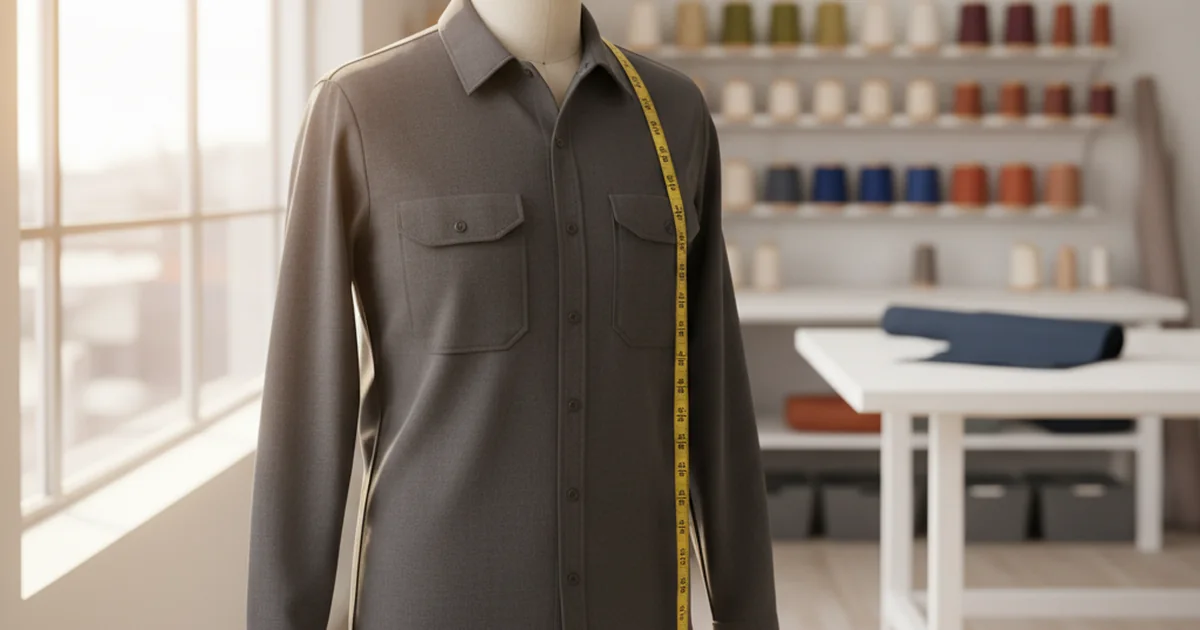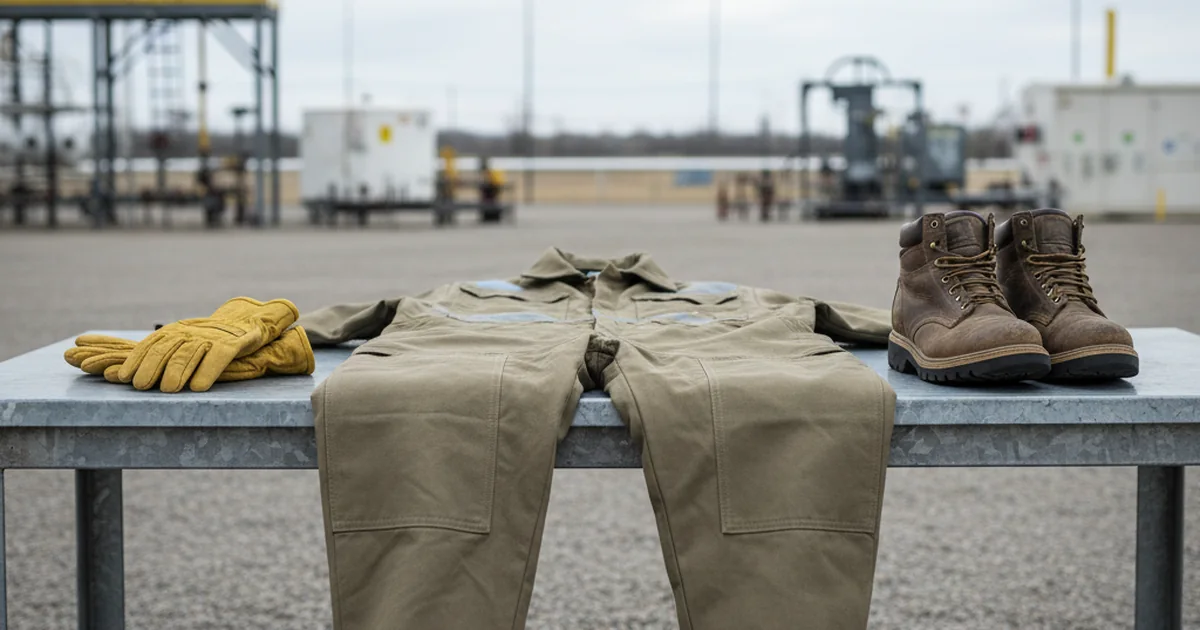

The best lightweight FR shirts for summer heat are the genuinely low-weight builds — roughly 4.7 to 6.5 oz of vented or moisture-managed fabric — that still hold their rating, and the one I'd reach for first in July is the Carhartt FR Force Sun Defender (4.7 oz, inherent aramid/Lenzing blend, UL NFPA 2112, CAT 2). The complaint that drives this whole category is the same one every welder, electrician and oilfield hand makes: FR cotton turns into a sweat box, so the heavier the shirt, the sooner it lives on a hook instead of your back. What is a flame-resistant (FR) shirt? Fabric that resists ignition, self-extinguishes, and won't melt onto your skin — not "fireproof." Below I rank six lightweight FR shirts that are currently sold, on breathability, fit, documented protection and price, with every spec read off the garment's own listing.
"Lightweight" here means fabric weight — and a lighter shirt is not a lower-protection shirt. Several picks below run 6 oz or less and still carry an NFPA 2112 certification and a CAT 2 arc rating. I flag exactly which numbers each listing states and which it leaves blank.
Key Takeaways
- Lightweight is about weight, not weaker protection: the 4.7 oz Carhartt and the 6 oz LAPCO 88/12 both carry NFPA 2112 — light fabric and a real rating aren't mutually exclusive.
- ~6-7 oz is the lightweight band: the shirts here run 4.7, 6, 6.3 and 7 oz where the weight is stated; under ~7 oz is where FR cotton starts breathing instead of baking you.
- Inherent vs treated still applies: the Carhartt Sun Defender is inherent (aramid/Lenzing, won't wash out); the LAPCO and Bulwark are treated FR cotton that lasts the garment's life with correct laundering. Both can certify to NFPA 2112.
- Moisture management beats raw thinness: the LAPCO 88/12 pairs 6 oz with an actual moisture-management finish — a vented light fabric moves sweat better than a thin one that just sits wet.
- A stated cal number beats a vague "CAT 2": the LAPCO 88/12 (8.8 cal) and LAPCO henley (8.1 cal) print the figure; the Carhartt and Ariat FR Air shirts say CAT 2 without the exact cal — a ranking penalty when you need to size an arc boundary.
- Best summer pick: Carhartt FR Force Sun Defender — 4.7 oz inherent FR with UPF, the lightest true button-up here.
- Best value: Bulwark SEW2 at $61.99 — but confirm NFPA 2112, which the listing doesn't state.
Why lightweight FR shirts are worth the search — and the trade-off no one mentions
The loudest complaint in FR clothing isn't fit or price — it's heat. Heavy FR cotton in a Texas summer is genuinely miserable, and tradespeople report the same thing across forums and retailer reviews: the shirt that's safest on paper is the one that ends up off your back by 10 a.m. because you're cooking in it. A shirt you take off doesn't protect anyone. So a lighter, breathable FR shirt that you'll actually keep on through a 95° shift is doing more real-world protective work than a heavier one you abandon.
Here's the trade-off the marketing skips: lighter fabric, all else equal, puts less material between a spark and your skin, so a thin shirt resists spatter burn-through less well than a heavy one. That matters if you throw heavy spatter or grind all day — in that case look at a dedicated welding shirt instead. But for general FR work, electrical/arc-flash duty, oilfield and utility work where the hazard is flash fire rather than constant spatter, the breathability win usually outweighs the burn-through penalty. The shirts below are chosen for that lane: cooler fabrics that still carry a documented rating, not the lightest possible shirt with the protection sanded off.
How I evaluated these — and what "lightweight" should actually mean
I don't run an arc-flash lab, and I won't pretend to. What I do is read every garment's own listing and tag, cross-check the protection claims against the published standards (NFPA 2112, NFPA 70E, ASTM F1506), and weigh that against what tradespeople actually report living with these shirts in the heat. Here's the order I worked the criteria — it's also how I'd want you to think about a lightweight pick.
- Fabric weight (oz) first. For a lightweight roundup it's the headline number. The shirts here are 4.7, 6, 6.3 and 7 oz where the page states it — and I rank a stated low weight above an unstated "Light," because a vague weight is a spec I can't put in the table.
- Breathability beyond raw weight. Two 6-7 oz shirts don't breathe equally. A moisture-management finish (the LAPCO 88/12), a vented "FR Air" construction (Ariat), or a knit henley structure all move sweat differently than plain woven cotton. I weigh the build, not just the ounces, and I lean on owner-reports here rather than a fabricated airflow test.
- The rating has to survive the diet. A lightweight shirt only makes this list if it still carries protection. I check NFPA 2112 and the arc rating (ATPV in cal/cm²) on the actual listing, and a shirt that drops the certification to save weight doesn't qualify as "lightweight FR" — it's just a light shirt.
- Inherent vs treated. Inherent FR (aramid, modacrylic, Lenzing FR) is built into the fiber and can't wash out; treated FR is a finish on cotton that lasts the garment's life if you launder it right. Both certify to NFPA 2112, so this is a cost, hand-feel and care-margin call — not a protection ranking. I note it where the page states it and say "not stated" where it doesn't.
- Documentation quality. A spec printed on the page outranks a spec that's "probably there." When a listing omits the cal number, the oz weight, or NFPA 2112, I dock the shirt and tell you to pull the spec sheet — not because it's unsafe, but because on a regulated jobsite an undocumented claim is one you can't defend in an audit.
- Fit, format and price. A full button-up gives more front coverage than a henley placket; a stretch panel helps mobility; price and which retailer carries it round out the call. None of these outranks protection, but they break ties.
What I deliberately don't do: invent torture-tests, quote a sample size I didn't run, or carry one shirt's arc rating over to another model in the same line. Where a number isn't on the page, you'll see "—" and a note to verify, not a guess dressed up as data.
Lightweight FR shirts compared
| Pick | Fabric / weight | FR type | NFPA 2112 | Arc rating | Real-world catch | Price |
|---|---|---|---|---|---|---|
| Carhartt FR Force Sun Defender | 50% Lenzing FR / 38% aramid / 10% polyamide / 2% anti-stat / 4.7 oz | Inherent | Yes (UL) | CAT 2 (cal not stated) | Priciest here; exact ATPV cal not on listing | $124.99 |
| LAPCO FR Uniform Shirt 6 oz 88/12 | 88/12 cotton-nylon, moisture-mgmt finish / 6 oz | Treated | Yes (UL) | ATPV 8.8 cal, CAT 2 | Sold direct (not WPS); a bit pricier than WPS button-ups | $89.34 |
| Lapco FR 6 oz Henley | 93% cotton / 7% spandex / 6.3 oz | Treated | Yes (stated) | ATPV 8.1 cal, CAT 2 | Henley (no full placket); price varies by size/color | $66.99–$79.99 |
| Ariat FR Air Lightweight | Cotton / — | Treated | Yes (stated) | ATPV 8.7 cal, CAT 2 | Weight in oz not on page; described as cotton | $79.95 |
| Bulwark SEW2 (Excel FR ComforTouch) | 100% FR cotton / 7 oz | Treated | — (not on page) | ATPV 7.7 cal, HRC 1 | Lowest arc rating here; NFPA 2112 not stated | $61.99 |
| Ariat FR Air Cotton Henley | Cotton / "Light" (no oz) | Inherent (per page) | Yes (stated) | ATPV 8.7 cal, CAT 2 | Henley placket; weight stated only as "Light" | $79.95 |
A note on reading that table: an "—" is not a zero. It means the spec wasn't stated on the page I fetched, so I won't assert it. The Ariat FR Air Lightweight has no oz figure and the Bulwark has no stated NFPA 2112 — those blanks are exactly why each ranks where it does, not a verdict that the shirt is bad.
1. Carhartt FR Force Sun Defender — best lightweight summer FR shirt
This is the one I'd put on first in July, and the weight is why it isn't close. At 4.7 oz it's the lightest shirt in this set by a wide margin, and that weight is built on a genuinely inherent aramid/Lenzing FR blend (50% Lenzing FR / 38% aramid / 10% polyamide / 2% anti-stat) — meaning the FR is in the fiber and can't wash out. It's UL Classified to NFPA 2112 and also meets NFPA 70E and ASTM F1506, so the lightness isn't bought by cutting the protection. It even adds UPF sun protection, which matters when the work is outdoors and the heat is coming from above as much as the arc.
Who it's for: the outdoor worker — oilfield, utility, refinery turnaround — who needs a true summer button-up that breathes, wants inherent FR so laundering can't strip it, and values the UPF for long days in the sun. The real trade-off: you pay a premium for the lightest inherent fabric here, and you get a CAT 2 rating without the exact cal number printed. The pain it solves: the heavy-FR-cotton sweat box that ends up on a hook by mid-morning — 4.7 oz is a different shirt to wear all day. The honest con: at $124.99 it's the most expensive shirt in the set, and the page lists CAT 2 but never publishes the exact ATPV cal/cm² value, so if you're sizing for a specific arc-flash boundary, pull the spec sheet for the figure rather than assuming it.
- Pros: Lightest here at 4.7 oz; genuinely inherent aramid/Lenzing FR that won't wash out; UL NFPA 2112 plus 70E and ASTM F1506; adds UPF sun protection.
- Cons: Most expensive in the set ($124.99); page states CAT 2 but no exact ATPV cal/cm² number.
Check price at Working Person's Store →
2. LAPCO FR Uniform Shirt 6 oz 88/12 — best documented lightweight pick
If you want the lightweight summer spec done right and fully on paper, this is the one I'd verify first. It pairs a 6 oz 88/12 cotton-nylon fabric with an actual moisture-management finish — so it's not just thin, it's built to move sweat — and it states every number you'd want to check: UL Classified NFPA 2112 and a published ATPV of 8.8 cal/cm² (CAT 2). The 88/12 blend adds nylon for abrasion life, which is the smart move on a lighter fabric that would otherwise wear thin in a season of real work.
Who it's for: the buyer who wants a true 6 oz uniform shirt with the cal number printed — a safety manager spec'ing a fleet, or anyone who'd rather verify the protection than assume it. The real trade-off: you get full documentation and a moisture-managed lightweight fabric, but you buy it direct rather than from my primary retailer. The pain it solves: the lightweight shirts that go vague on specs — this one refuses to make you guess. The honest con: it's sold direct from lapco.com (not carried by Working Person's Store), and at $89.34 it costs a bit more than the comparable WPS button-ups, so you trade a slightly higher price and a different checkout for the printed cal number.
- Pros: True 6 oz 88/12 cotton-nylon with a moisture-management finish; UL Classified NFPA 2112; stated ATPV 8.8 cal/cm² (CAT 2); nylon adds abrasion life.
- Cons: Sold direct from LAPCO (not Working Person's Store); $89.34 is a bit higher than comparable WPS button-ups.
3. Lapco FR 6 oz Henley — best lightweight stretch pick
For guys who hate a stiff button-up in the heat, this is the cooler, stretchier route. At 6.3 oz with 7% spandex it actually moves with you, the exact weight is stated, and it's NFPA 2112 compliant with an ATPV of 8.1 cal/cm² (CAT 2). The build is right for FR's laundering demands too — Nomex thread at the seams and triple-needle stitching, so it holds up to the wash cycles FR requires. It also carries the lowest entry price in this group.
Who it's for: the worker who runs a henley under a coverall or vest and wants mobility and breathability in a documented FR layer — and who likes a knit feel over a woven button-up. The real trade-off: stretch and a low price, against the give-ups of treated cotton and a henley placket. The pain it solves: the woven button-up that binds across the shoulders when you reach overhead; the spandex frees that up. The honest con: it's treated-FR cotton/spandex rather than inherent, so correct laundering matters for FR life; it's a henley with no full button placket (less front coverage); and the FR Depot price floats with size and color rather than a fixed listing.
- Pros: Stretch (7% spandex) for mobility at a stated 6.3 oz; NFPA 2112 compliant, ATPV 8.1 cal/cm² (CAT 2); Nomex thread + triple-needle stitching; lowest entry price here.
- Cons: Treated-FR cotton/spandex (not inherent); henley placket gives less coverage than a button-up; price varies by size/color and it's sold via FR Depot.
4. Ariat FR Air Lightweight — best full button-up from a heat-focused line
Ariat built the "FR Air" line around exactly the complaint this roundup is about, and this lightweight long-sleeve button-up is the woven, full-coverage version of it. It carries a published ATPV of 8.7 cal/cm² (CAT 2) and meets NFPA 2112 and NFPA 70E, at a moderate $79.95 from my primary retailer — a sensible middle of the road between the premium Carhartt and the value Bulwark.
Who it's for: the worker who wants the FR Air breathing reputation in a full button-up rather than a henley, with a stated cal number and a familiar WPS checkout. The real trade-off: you get the line's summer-oriented build and a printed arc rating, but the listing leaves a couple of specs vague. The pain it solves: the heavy woven FR shirt that doesn't breathe — FR Air is Ariat's answer to that, in a format that covers more than a henley. The honest con: the page doesn't state the fabric weight in oz, so I can't put it head-to-head against the specced 6 oz shirts above, and it's described as cotton — a treated FR fabric — despite the lightweight framing. Confirm the weight before you build a layering system around it.
- Pros: "FR Air" line is purpose-built for summer heat; full button-up coverage; published ATPV 8.7 cal/cm² (CAT 2) with NFPA 2112 / 70E; moderate $79.95 at WPS.
- Cons: Fabric weight not stated in oz on the page; described as cotton (treated FR) despite the lightweight framing.
Check price at Working Person's Store →
5. Bulwark SEW2 — best value lightweight FR shirt
This is the cheapest documented protection in the set at $61.99, and it's a known quantity — a classic 7 oz all-cotton Bulwark uniform shirt (Excel FR ComforTouch), the kind of fleet-issue workhorse a lot of guys already wear. It states an ATPV of 7.7 cal/cm². At 7 oz it sits at the heavy end of this lightweight roundup, so think of it as "lightweight for an all-cotton shirt" rather than the breeziest fabric here.
Who it's for: the buyer on a budget who wants a familiar Bulwark uniform shirt with a stated arc number and doesn't need the lightest possible fabric or the highest cal rating. The real trade-off: the lowest price here, against the lowest arc rating and a missing certification line. The pain it solves: price — it's the cheapest way into a documented FR work shirt in this group. The honest con: two knocks drop it down the order. It carries the lowest arc rating in the set at HRC 1 (the shirts above are CAT 2), so if you have an arc-flash exposure that number may decide against it; and the WPS page doesn't explicitly state NFPA 2112, so if a 2112 mandate applies on your site, confirm the certification before you rely on it.
- Pros: Lowest price here ($61.99); familiar 7 oz all-cotton Bulwark uniform build; stated ATPV 7.7 cal/cm².
- Cons: Lowest arc rating in the set (HRC 1); WPS page doesn't explicitly state NFPA 2112 — verify the cert if 2112 is mandated.
Check price at Working Person's Store →
6. Ariat FR Air Cotton Henley — best lightweight base-layer henley
The second FR Air option here is a breathable cotton henley aimed at hot-weather oilfield and utility work — a comfortable next-to-skin pullover for guys who run a henley under a coverall or vest. It carries a CAT 2 arc rating (ATPV 8.7 cal/cm²) with NFPA 2112 / 70E, at $79.95 from my primary retailer.
Who it's for: the worker who already knows they like the FR Air henley feel as a base layer and wants a documented CAT 2 rating under their outerwear. The real trade-off: a comfortable breathable knit, against a missing weight figure and the coverage limits of a henley. The pain it solves: the hot, clingy base layer under a coverall — a vented FR Air cotton henley breathes better there. The honest con: the page lists weight only as "Light" with no oz figure, so I can't rank it against the specced 4.7-6.3 oz shirts above on its strongest claim, and a henley placket gives you less front coverage than a full button-up. A good pick if you've already decided you want this exact henley feel — just one I can't rank higher without the number.
- Pros: Breathable "FR Air" cotton henley for hot-weather base-layer use; CAT 2 arc rating (ATPV 8.7 cal/cm²) with NFPA 2112 / 70E; comfortable next-to-skin pullover.
- Cons: Weight stated only as "Light" (no oz figure to compare); henley placket gives less front coverage than a button-up.
Check price at Working Person's Store →
How to choose a lightweight FR shirt
Work the decision in this order — it mirrors how I ranked these, and it keeps you from buying a light shirt that quietly gave up the protection.
1. Confirm the rating survived the weight cut. The whole point of a lightweight FR shirt is that it breathes and protects. Before anything else, check that the listing still states an NFPA 2112 certification and, if you have an arc-flash hazard, an arc rating in cal/cm². A light shirt with no stated certification isn't a "lightweight FR shirt" — it's a light shirt. Remember: all arc-rated clothing is flame-resistant, but not all FR clothing is arc-rated.
2. Read the weight, and don't accept "Light" as a number. The genuinely cool shirts here are 4.7 to 6.3 oz with the weight stated; 7 oz is the top of the lightweight band for all-cotton. If a listing says only "Light" with no oz figure (two of the picks above do), treat that as a spec you still need to pull before you compare it head-to-head.
3. Look past raw thinness to how it breathes. A moisture-management finish (the LAPCO 88/12), a vented FR Air build (Ariat), or a knit henley structure all move sweat better than plain woven cotton at the same weight. The fabric that wicks beats the one that just sits wet against your skin, so weigh construction, not only ounces.
4. Decide inherent vs treated honestly. Both certify to NFPA 2112, so this isn't a protection question. Inherent FR (aramid, modacrylic, Lenzing FR — like the Carhartt Sun Defender) can't wash out; treated FR is a finish on cotton that lasts the garment's life with correct laundering. If you launder hard or share a wash with whoever does the household laundry, the extra care margin of inherent is worth paying for — but most lightweight FR cotton is treated.
5. Match the format to the job. A full button-up covers more of your front than a henley placket and is easier to vent or layer; a henley is a better next-to-skin base layer under a coverall. Stretch panels (the LAPCO henley's spandex) help if you reach overhead all day. None of this outranks the rating, but it's how you break a tie between two protected shirts.
6. Plan the care before you buy. Every shirt here is home-launderable, but FR has rules: no chlorine bleach, no fabric softener, no hydrogen-peroxide bleach, no starch — they degrade the FR or leave flammable residue. Wash inside-out; many makers recommend warm water to flush oils, but defer to the garment label. Hard-water minerals reduce FR over time, and grease or oil saturation makes any FR shirt a fire hazard — clean it or retire it. A lightweight shirt you can't care for correctly stops protecting you sooner than the tag implies.
Frequently Asked Questions
Do lightweight FR shirts still meet NFPA 2112?
Yes — a lighter shirt is not automatically a lower-protection shirt. Several picks here run 6 oz or less and still carry an NFPA 2112 certification: the 4.7 oz Carhartt FR Force Sun Defender and the 6 oz LAPCO 88/12 are both UL Classified to NFPA 2112. The rating comes from how the fabric is engineered, not from sheer thickness. Just confirm the certification is stated on the listing — a light shirt that drops it isn't really a lightweight FR shirt.
What's the lightest FR shirt that still has a rating?
In this set, the Carhartt FR Force Sun Defender at 4.7 oz is the lightest, and it's an inherent aramid/Lenzing blend that's UL Classified to NFPA 2112 and meets NFPA 70E and ASTM F1506 (CAT 2). The 6 oz LAPCO 88/12 is next, with a stated ATPV of 8.8 cal/cm². Both prove a documented rating and a genuinely light fabric can coexist — you don't have to trade one for the other.
What FR shirt weight is best for summer heat?
Lighter breathes better, so for summer aim for the low end where the weight is stated — roughly 4.7 to 6.5 oz. The shirts here run 4.7, 6, 6.3 and 7 oz where the page lists it; under about 7 oz is where FR cotton starts moving air instead of baking you. Build matters too: a moisture-management finish or a vented construction breathes better than plain woven cotton at the same weight. A shirt you keep on protects you more than a heavier one you take off.
Is a lightweight FR shirt arc-rated?
Some are, some only state NFPA 2112 — they're different claims. NFPA 2112 is a flash-fire garment certification; an arc rating is a separate number, ATPV in cal/cm², for electrical arc-flash under NFPA 70E. The LAPCO 88/12 (8.8 cal), LAPCO henley (8.1 cal) and both Ariat FR Air shirts (8.7 cal) state a CAT 2 arc rating; the Carhartt lists CAT 2 without the exact cal figure. If you work near energized gear, find the cal number — don't assume it from "FR."
Are inherent or treated FR shirts more breathable?
Breathability comes from fabric weight and construction, not from whether the FR is inherent or treated. Both an inherent blend (like the Carhartt Sun Defender's aramid/Lenzing) and a treated cotton (like the LAPCO 88/12) can be made light and vented. The bigger comfort levers are the oz weight and whether the fabric has a moisture-management finish. Choose inherent vs treated on cost and care margin, then pick the lightest, best-venting version you can verify a rating on.
Why Trust This Guide
This guide is written and reviewed by Wes Calder, an independent flame-resistant-workwear reviewer. Every recommendation is built on the published standards (NFPA 2112, NFPA 70E, ASTM F1506), manufacturer spec sheets and garment tags, hands-on handling, and what tradespeople actually report — and we tell you when a number is a manufacturer claim versus an independent standard, and when a garment is FR but not arc-rated. We earn an affiliate commission if you buy through some of our links, at no extra cost to you, and we never rank by commission over safety — see our affiliate disclosure.