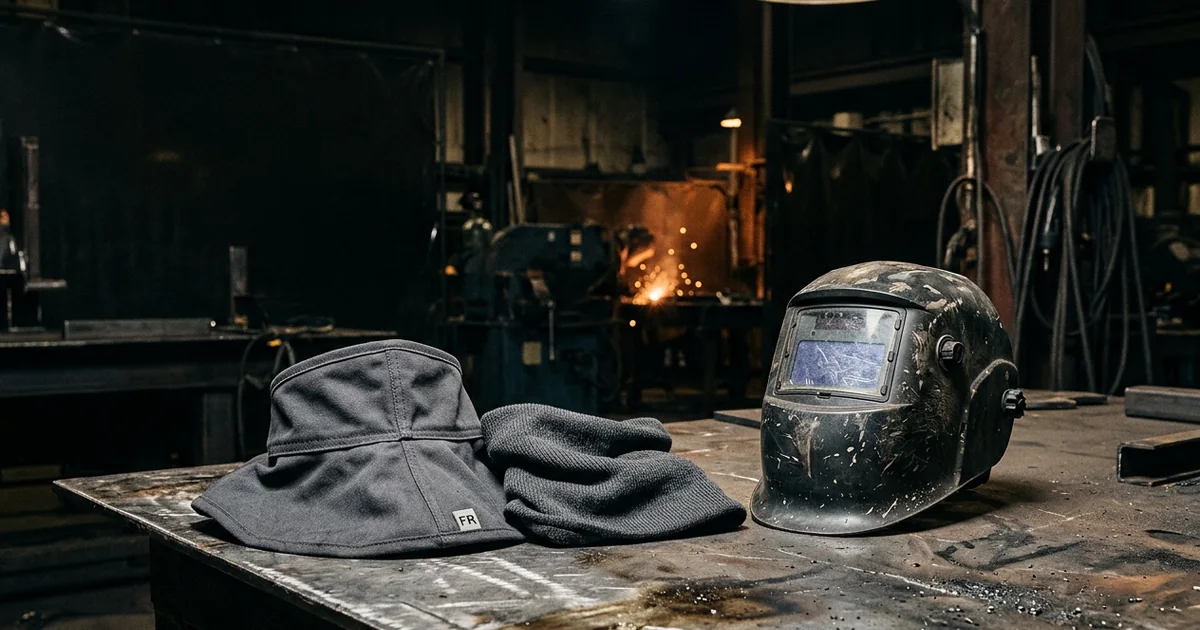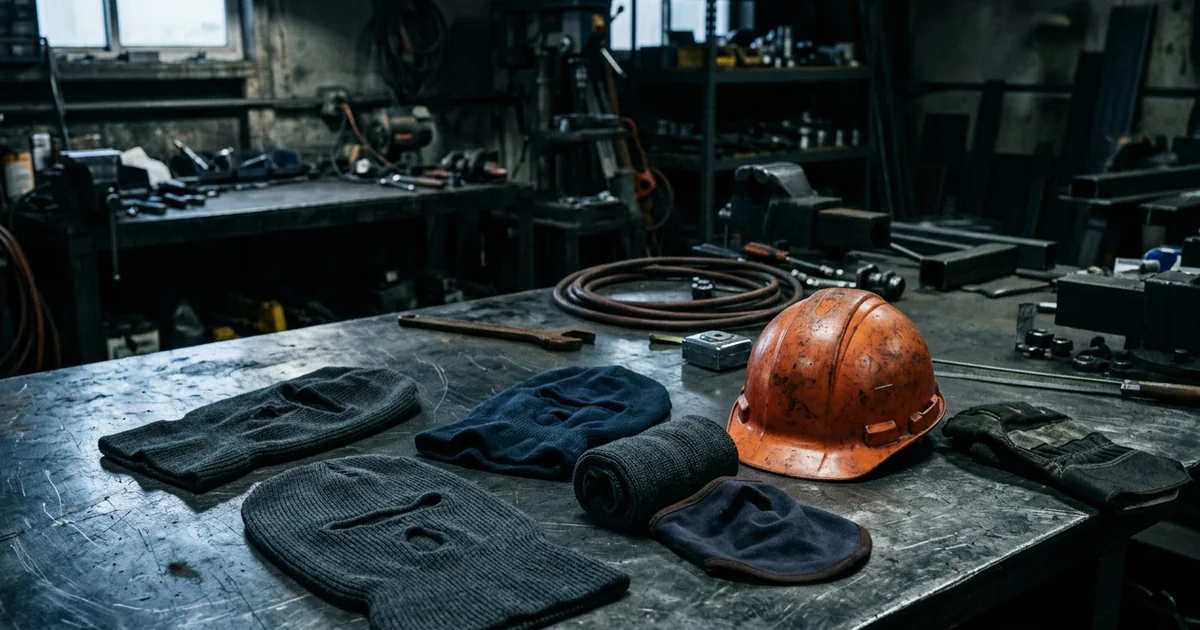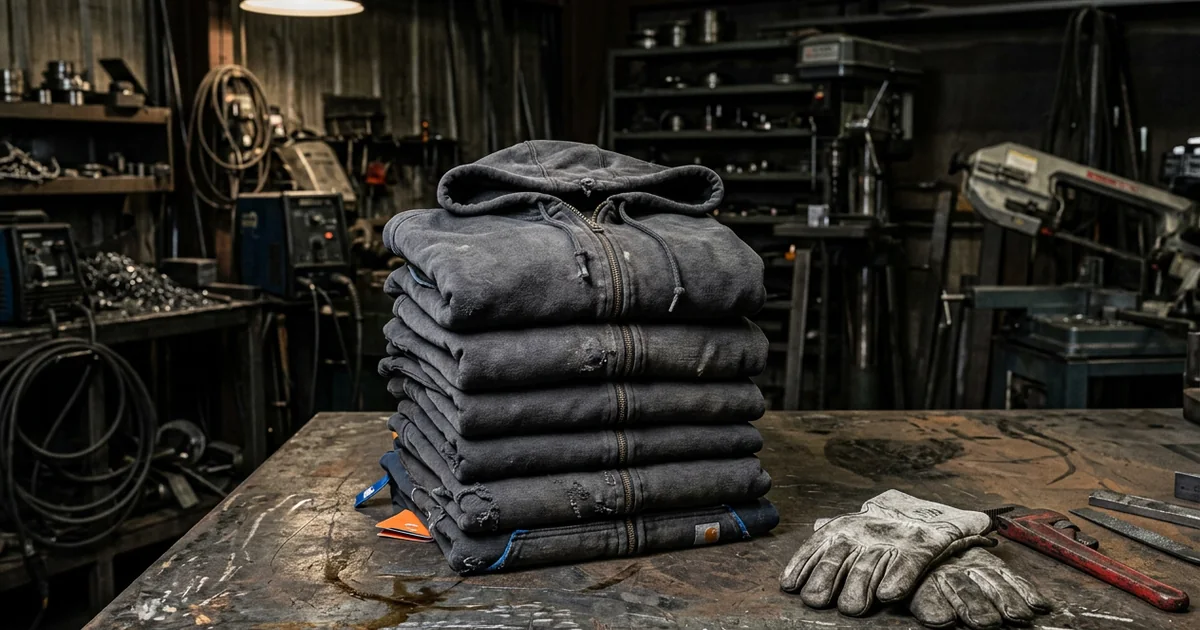
If you want one answer: the Bulwark CLB2 Excel flame-resistant coverall is the best FR coverall for most people — a 7-ounce Westex Ultrasoft cotton/nylon twill with an actually-published arc rating (ATPV 8.6 cal/cm², CAT 2) and a comfortable, broken-in feel. But "best" depends on your job: standards your site demands, fabric weight for your climate, fit for layering, and whether you need insulation. What is flame-resistant (FR) clothing? Fabric that resists ignition, self-extinguishes, and won't melt onto skin — not "fireproof." Below I rank six real coveralls on protection, then value, then fit, and split out the insulated picks.
Key Takeaways
- NFPA 2112 and an arc rating are two different things. NFPA 2112 covers flash fire; an arc rating (ATPV, in cal/cm²) covers electric arc flash — and only some listings publish a cal number. Don't assume a 2112 garment has a stated arc rating. See NFPA 2112 vs NFPA 70E.
- Weight is a climate decision. Uninsulated picks here run 4.5–7 oz; the 6 oz Bulwark CLD4 is the coolest, the insulated Bulwark CLC8 is for genuine winter work.
- Inherent vs treated matters for wash-life. The Occunomix is Nomex IIIA (inherent FR — it can't wash out); the cotton/nylon picks are treated/blended and need correct washing to stay protective.
- Insulated coveralls hit the highest arc numbers. The Bulwark CLC8 posts ATPV 43.3 cal/cm² (HRC 4) because the modacrylic liner adds protection — see FR jackets if you'd rather layer.
- Two of these are discontinued. The Walls and Occunomix listings are live but out of stock — I kept them as honest spec references, ranked down on availability.
How I ranked these (protection first, not commission)
I rank protection first, then value, then fit — and I only quote a spec the retailer listing actually states. Where a listing doesn't publish an arc rating (ATPV cal/cm²), or doesn't name a standard like NFPA 70E or ASTM F1506, I write "—" rather than borrow a number from another model. That's the whole rule for a safety category: a coverall's CAT 2 label tells you it's rated to at least 8 cal/cm², but the exact cal value only counts if the listing prints it. I never let a commission move a pick up the list — a discontinued or no-commission garment can rank wherever its specs and availability put it. Arc-rating reference: CAT 1 ≥ 4, CAT 2 ≥ 8, CAT 3 ≥ 25, CAT 4 ≥ 40 cal/cm².
| Pick | Fabric / weight | Arc rating (if stated) | Best for | Price |
|---|---|---|---|---|
| 1. Bulwark CLB2 (Excel) | Westex Ultrasoft 88/12 cotton-nylon twill, 7 oz | ATPV 8.6 cal/cm² (CAT 2) | Best all-around uninsulated | $146.00 |
| 2. Carhartt 105016 | 88/12 cotton-nylon FR twill, 7 oz | — (NFPA 70E / F1506 / UL 2112 stated; no cal published) | Best standards paper trail | $139.99 |
| 3. Bulwark CLD4 | 88/12 cotton-nylon, 6 oz | ATPV 8.7 cal/cm² (HRC 2) | Best value / hot climates | $113.99 |
| 4. Bulwark CLC8 (insulated) | 7 oz 88/12 shell + two-layer modacrylic liner (12 oz) | ATPV 43.3 cal/cm² (HRC 4) | Best insulated / cold-weather arc | $381.99 |
| 5. Walls FR015026 (insulated) | 7 oz Banwear shell + 13 oz FR modacrylic batting | ATPV 34.3 cal/cm² (HRC 3) | Insulated spec reference | — (discontinued) |
| 6. Occunomix G904N (Nomex) | DuPont Nomex IIIA (inherent), 4.5 oz | ATPV 4.5 cal/cm² (HRC 1) | Lightest / inherent FR | — (discontinued) |
1. Bulwark CLB2 Excel — best all-around uninsulated
This is the coverall I'd hand most people. The Westex Ultrasoft 88% cotton / 12% nylon twill is the softest, most broken-in of the cotton-blend shells here, and the 7-ounce (235 g/m²) weight is the right middle ground for three-season wear. What earns it the top spot is honesty: the listing actually publishes an ATPV of 8.6 cal/cm² behind the CAT 2 label, so you're not guessing at the arc value. The one caveat — the listing names NFPA 2112 compliance but does not mention NFPA 70E or ASTM F1506, so if your site requires those, confirm them on the garment tag.
- Pros: Stated ATPV 8.6 cal/cm² (CAT 2); soft Westex Ultrasoft twill; balanced 7 oz weight; in stock.
- Cons: Listing only names NFPA 2112 (70E / F1506 not stated); inherent-vs-treated not explicitly labeled; mid-pack price at $146.
Check price at Working Person's Store →
2. Carhartt 105016 — best standards paper trail
If your worksite checks tags, this Carhartt has the cleanest compliance story of the six: the listing states it meets NFPA 70E and ASTM F1506 and is UL classified to NFPA 2112 — the only listing here naming all three together. It's a 7-ounce 88/12 cotton-nylon FR twill in a genuinely loose fit, which welders and anyone layering FR base layers will appreciate. The honest gap: there's no published ATPV cal/cm² number, so for the exact arc value you're trusting the CAT 2 label rather than a printed figure.
- Pros: NFPA 70E + ASTM F1506 + UL-classified NFPA 2112 all stated; true loose fit for layering; in stock; lowest price among the 7 oz uninsulated picks at $139.99.
- Cons: ATPV cal/cm² not stated; inherent-vs-treated not stated; loose cut runs roomy if you want a trim fit.
Check price at Working Person's Store →
3. Bulwark CLD4 — best value and hot-climate pick
The CLD4 is the lightest uninsulated weave here at 6 oz, the cheapest at $113.99, and — despite being the thinnest — it posts the highest stated uninsulated arc rating in the guide at ATPV 8.7 cal/cm² (HRC 2). That combination makes it my pick for hot work: less fabric to trap heat, real published numbers, lowest cost of entry. The listing names NFPA 2112 and 70E (ASTM F1506 isn't explicitly called out). The trade-off is durability — a 6 oz twill simply wears thinner than a 7 oz one, so if you're hard on gear, the heavier picks last longer.
- Pros: Highest stated uninsulated ATPV (8.7 cal/cm², HRC 2); lightest at 6 oz; lowest price; NFPA 2112 + 70E stated; in stock.
- Cons: 6 oz wears thinner over time; ASTM F1506 not explicitly named; inherent-vs-treated not stated.
Check price at Working Person's Store →
4. Bulwark CLC8 insulated — best for cold-weather arc protection
When you work cold and still need serious arc protection, this is the one to beat. It's a one-piece insulated coverall: a 7-ounce 88/12 cotton-nylon twill shell over a two-layer modacrylic liner (listed at 12 oz). That liner is why the stated ATPV jumps to 43.3 cal/cm² — HRC 4, the highest rating in this guide. The listing states NFPA 2112 and NFPA 70E (ASTM F1506 isn't stated; the shell is noted as water-repellent treated). It's heavy and it's $381.99, but it's a true winter arc-rated suit rather than a summer coverall with a liner thrown in.
- Pros: Highest stated arc rating here (43.3 cal/cm², HRC 4); genuine insulation (two-layer modacrylic); water-repellent treated shell; NFPA 2112 + 70E stated; in stock.
- Cons: Heaviest and most expensive ($381.99); overkill for warm-weather work; ASTM F1506 not stated; FR inherent-vs-treated not explicitly labeled.
Check price at Working Person's Store →
5. Walls FR015026 insulated — strong spec reference, check stock
On paper this is a capable insulated arc-rated coverall: a 7-ounce Banwear shell (88% FR cotton / 12% high-tenacity nylon) over the heaviest batting in the guide — 13 oz of FR modacrylic — with a stated ATPV of 34.3 cal/cm² (HRC Level 3). The listing names ASTM F1506 and NFPA 70E, though not NFPA 2112. I rank it below the Bulwark insulated for one honest reason: the listing is showing discontinued / out of stock. Treat it as a useful spec benchmark for what insulated FR should deliver, and confirm availability before you build a purchase around it.
- Pros: Solid insulated arc rating (34.3 cal/cm², HRC 3); heaviest batting (13 oz) for cold work; ASTM F1506 + NFPA 70E stated.
- Cons: Discontinued / out of stock; price not listed; NFPA 2112 not stated; inherent-vs-treated not labeled.
Check price at Working Person's Store →
6. Occunomix G904N Nomex — lightest and only inherent-FR option
This is the only inherent-FR coverall in the group: DuPont Nomex IIIA, a fiber whose flame resistance is built into the material and can't wash out — a real advantage for wash-life over treated blends. At 4.5 oz it's also the lightest and coolest suit here, and the listing states it meets or exceeds NFPA 2112, 70E, 1971, 1975, 1977 and ASTM F1506. Two things drop it to last: it carries the lowest stated arc rating (ATPV 4.5 cal/cm², HRC 1), and the listing is discontinued / out of stock. Great fiber, honest small-arc protection, but availability and arc value put it at the bottom.
- Pros: Inherent FR (Nomex IIIA — never washes out); lightest/coolest at 4.5 oz; broad list of stated standards including ASTM F1506.
- Cons: Lowest stated arc rating (4.5 cal/cm², CAT 1); discontinued / out of stock; price not listed.
Check price at Working Person's Store →
Insulated vs uninsulated: which FR coverall do you actually need?
Pick uninsulated (the Bulwark CLB2, Carhartt 105016, or Bulwark CLD4) for three-season work and warm climates — they're lighter, cheaper, and you can layer FR underneath when it cools off. Pick insulated (the Bulwark CLC8 or, if you can find it, the Walls FR015026) when you're outdoors in genuine winter: the modacrylic liner adds warmth and, as a side effect, raises the arc rating substantially. The cost is weight and price. One rule that doesn't change either way: any warm layer you wear under FR should also be FR — a melting synthetic base layer defeats the whole suit. If you'd rather keep a lighter coverall and add an FR layer on top, our FR jackets guide covers that route.
Frequently Asked Questions
What is the best FR coverall overall?
For most people the Bulwark CLB2 Excel coverall is the best all-around pick: a soft 7-ounce Westex Ultrasoft cotton/nylon twill with a published arc rating of 8.6 cal/cm² (CAT 2) and NFPA 2112 compliance. If you need the cleanest standards paper trail, the Carhartt 105016 names NFPA 70E, ASTM F1506 and UL-classified NFPA 2112. For cold weather, the insulated Bulwark CLC8 leads on arc protection.
Is NFPA 2112 the same as an arc rating?
No. NFPA 2112 certifies a garment against flash fire, while an arc rating — ATPV, measured in cal/cm² under NFPA 70E and ASTM F1506 — measures protection against electric arc flash. They're separate ratings, and a coverage may carry one without publishing the other. Always check whether the listing actually states an ATPV cal/cm² value rather than assuming a 2112 garment is arc-rated.
What ATPV (cal/cm²) rating do I need?
It depends on your task's incident-energy assessment, which your employer's electrical safety program should provide. As a reference, the arc-rating categories run CAT 1 at 4 cal/cm² and up, CAT 2 at 8 and up, CAT 3 at 25 and up, and CAT 4 at 40 and up. The uninsulated picks here state around 8.6–8.7 cal/cm² (CAT 2); the insulated Bulwark CLC8 states 43.3 cal/cm² (HRC 4).
Inherent vs treated FR — does it matter for a coverall?
Inherent FR (like DuPont Nomex IIIA, used in the Occunomix here) has flame resistance built into the fiber, so it can't wash out. Treated and FR-blend fabrics rely on the weave and chemistry staying intact, so correct washing matters more. Both can be fully compliant; inherent generally simplifies long-term wash-life, while cotton-nylon blends are often softer and cheaper. Always follow the garment's care tag.
How do I wash FR coveralls without ruining the protection?
Follow the garment tag, but the universal rules are: no chlorine bleach, no fabric softener, and no hydrogen-peroxide products, since these can coat fibers or strip FR performance. Wash in warm (not hot) water, turn garments inside out, and keep them free of flammable contaminants like grease and oil, which can ignite even on FR fabric. Inherent-FR fibers like Nomex are more forgiving, but the same no-bleach, no-softener rules still apply.
Why Trust This Guide
This guide is written and reviewed by Wes Calder, an independent flame-resistant-workwear reviewer. Every recommendation is built on the published standards (NFPA 2112, NFPA 70E, ASTM F1506), manufacturer spec sheets and garment tags, hands-on handling, and what tradespeople actually report — and we tell you when a number is a manufacturer claim versus an independent standard, and when a garment is FR but not arc-rated. We earn an affiliate commission if you buy through some of our links, at no extra cost to you, and we never rank by commission over safety — see our affiliate disclosure.