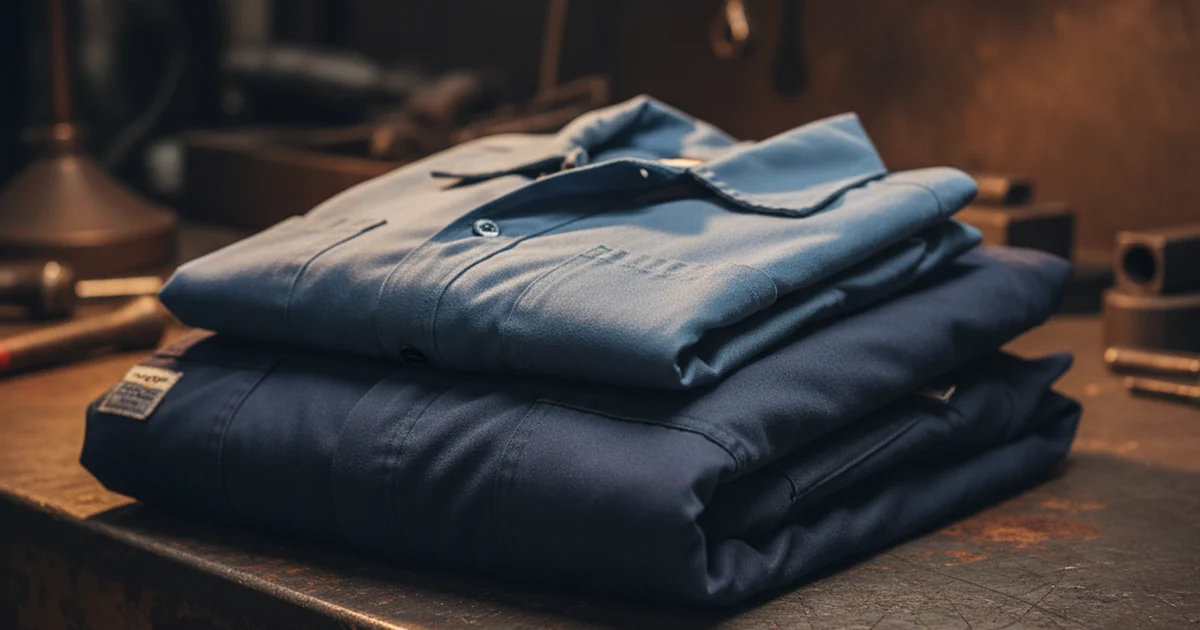

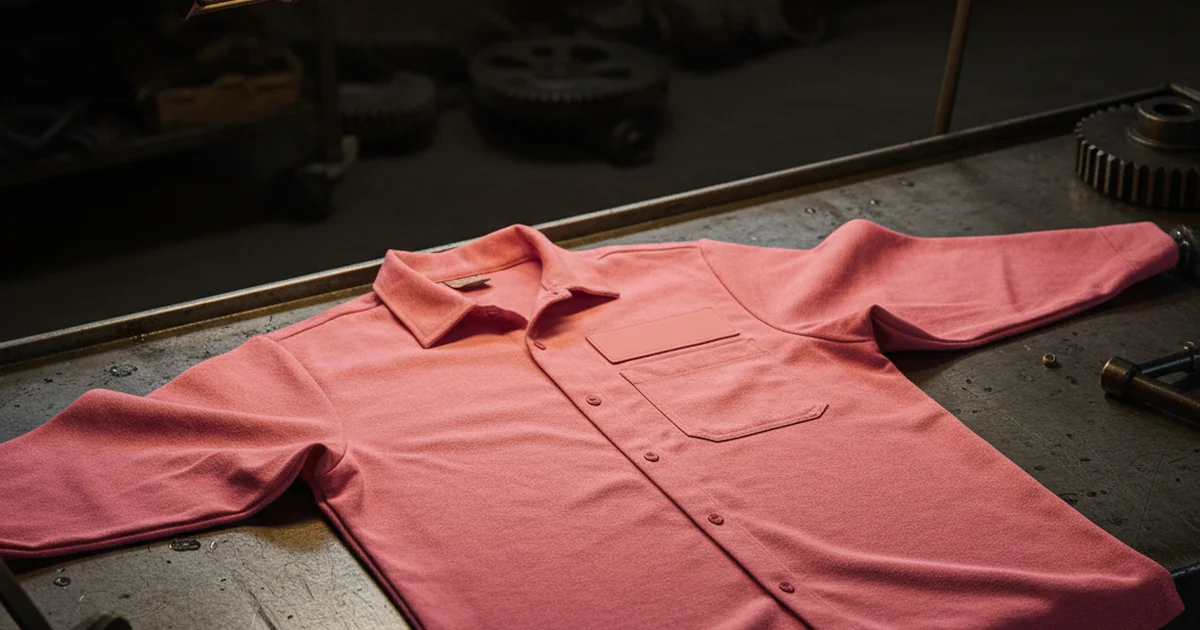
Pink FR clothing and sewn-on patches don't break a garment's flame-resistant rating on their own — the rating lives in the fabric and how the whole garment was certified, not in the color. A factory pink FR shirt is as compliant as the navy one beside it. Where compliance actually slips is when you add something the manufacturer never tested: a non-FR patch, a flammable thread, or a melt-prone backing on the back of an otherwise rated garment. What is flame-resistant (FR) clothing? Fabric that resists ignition, self-extinguishes, and won't melt onto skin — not "fireproof."
Key Takeaways
- Color is not the rating. FR certification (NFPA 2112, ASTM F1506) lives in the fabric and garment construction, not the dye. A factory pink FR garment is rated exactly like any other color the maker certifies.
- Garment-level certification is the catch. NFPA 2112 certifies a complete garment — so the safe pink option is one the manufacturer dyed, sewed, and certified pink, not a non-FR pink shirt sold as "FR-look."
- A patch can break it. A patch sewn onto FR is only as safe as the patch — a regular polyester or embroidered emblem can melt or ignite on the surface even though the base layer self-extinguishes.
- Thread and backing count. Many name/company patches are flame-resistant fabric, but flammable thread or a melt-prone adhesive backing can compromise the spot it covers.
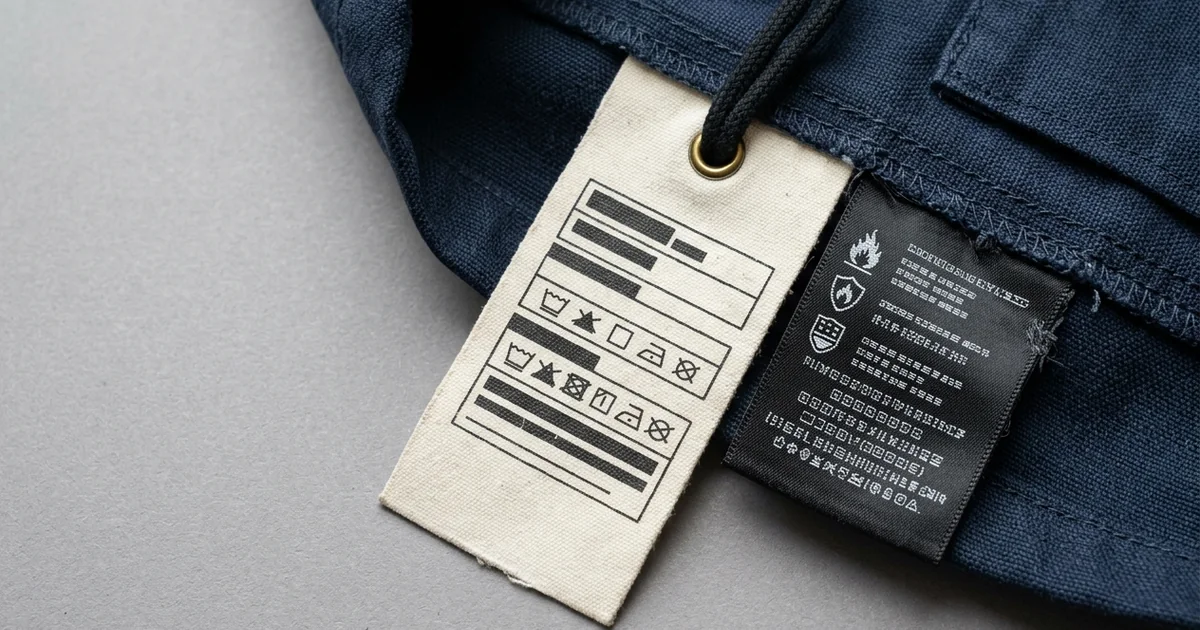
- The tag is the source of truth. A genuinely FR garment names its standard (NFPA 2112 or ASTM F1506) plus a third-party/UL classification, and — for electrical work — a cal/cm² arc rating. No stated standard is the red flag, whatever the color.
Does the color of FR clothing affect the rating?
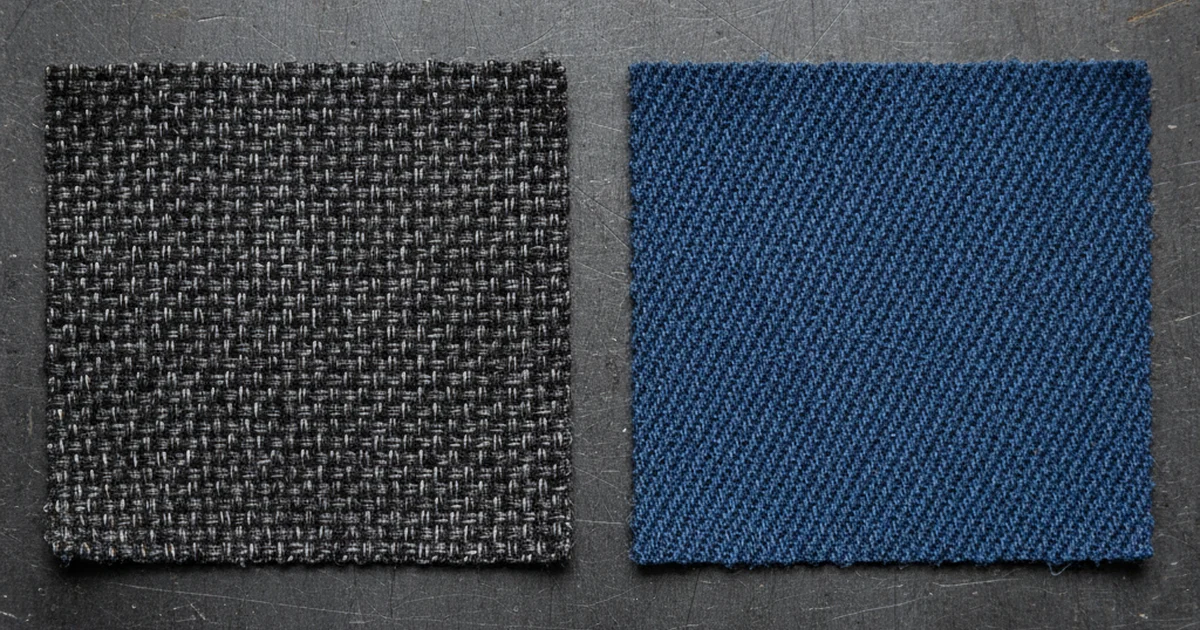
No. The flame resistance comes from the fiber or the chemical treatment in the fabric, and from how the finished garment was built and certified — not from the dye sitting on top of it. Inherent FR garments get their protection from the fiber itself (modacrylic or aramid, which doesn't wash out), and treated FR gets it from a flame-resistant finish on cotton. Pink dye doesn't undo either one. When a manufacturer offers a garment in pink, hi-vis, navy, or khaki, the FR performance is supposed to be identical across the run, because it's the same certified fabric being cut and sewn.
Here's the honest nuance: NFPA 2112 is a garment standard, not a fabric-only one. The certification covers a complete, finished garment going through the ASTM F1930 instrumented-manikin flash-fire test. So the right way to think about color isn't "is pink less safe than navy" — it's "did the manufacturer certify this pink garment, as built." If the pink version was dyed, sewn, and certified by the maker, it's compliant. The only way color becomes a problem is when "pink FR" is really a fashion shirt wearing FR styling with no standard behind it.
Pink FR: what to look for so it's the real thing
Pink FR is a legitimate, growing category — a lot of it driven by women on crews who want a properly-fitting FR garment that isn't a shrunken men's cut, and by Breast Cancer Awareness pink runs that companies actually buy in volume. None of that changes the rule: the pink garment has to carry the same certification as any other compliant FR piece. Treat the color as cosmetic and judge the tag.
- The standard is printed on it. For flash-fire/oilfield work the tag should say NFPA 2112; for electrical/arc-flash work it should reference ASTM F1506 and a cal/cm² arc rating. Pink doesn't get a pass on this.
- A third-party classification. Look for a UL (or equivalent third-party) classification mark, not just the brand's own word. "FR-look" garments that name no standard and sit far below certified-FR pricing are exactly the trap — and pink, being a fashion-adjacent color, attracts more of those knockoffs than navy does.
- It's the manufacturer's own pink, not a dye job. Don't try to make a navy FR shirt pink yourself, and don't trust a third party who "dyed FR garments" off-label — once you've altered a certified garment outside the maker's process, you can't assume it's still compliant. Buy the pink the maker certified.
One more thing FR is not: fireproof. A real pink NFPA 2112 garment resists ignition and self-extinguishes — it doesn't make you immune to a flash fire. The color question is about compliance; the protection itself still has limits, same as every FR garment.
Do sewn-on patches break FR clothing?
This is the one that actually trips people up. A sewn-on patch can compromise an FR garment — not because sewing is forbidden, but because the patch (and its thread, and its backing) becomes part of what sits against you in a fire. The base fabric can be flawless NFPA 2112 modacrylic and still have a spot on the chest where a regular polyester company logo melts onto the surface. The garment self-extinguishes; the patch doesn't, because regular polyester melts and is not flame-resistant in the first place.
Think of it the way you'd think about wearing a regular poly t-shirt under FR coveralls — the system is only as safe as its weakest layer. A non-FR patch is a small weakest-layer planted right on the outside of your protection. The three things that decide whether a patch is a problem:
- The patch material. An FR-fabric patch (modacrylic/aramid or treated cotton, the same family as the garment) is the safe kind. A standard embroidered or printed-polyester emblem can ignite or melt on the surface — that's the failure mode, even over compliant fabric.
- The thread. Sewing matters: flame-resistant thread (aramid is common) won't fuel a flame or melt at the seam, while ordinary polyester sewing thread can. A patch can be FR fabric and still be attached with the wrong thread.
- The backing/adhesive. Many patches have a heat-seal or peel-and-stick backing. An iron-on or adhesive backing can be a melt-prone plastic layer trapped between the patch and your rated garment — exactly where you don't want melt material. Sewn-on FR patches with FR thread are the conservative choice.
What stays compliant — and what to ask before you alter a garment
The cleanest rule: alterations are the manufacturer's call, not yours. NFPA 2112 certifies the garment as the maker built it, so the moment you cut, dye, or add to a certified garment, you're outside the tested configuration unless the manufacturer (or your safety program) says the change keeps it compliant. That's not bureaucracy — it's the literal scope of how the standard certifies.
In practice, here's what tends to stay compliant versus what raises a flag:
- Stays compliant: a factory-certified pink (or any color) FR garment; an FR-fabric patch attached with FR thread, ideally one the garment maker or patch supplier states is FR; name/logo patches your employer's FR program has cleared.
- Raises a flag: a non-FR patch (regular polyester, vinyl, or plain embroidery) sewn or ironed onto FR; an iron-on adhesive backing; any aftermarket dyeing of a certified garment; and "FR" garments — pink or otherwise — that name no standard, carry no third-party mark, and price far below real certified FR.
And the universal compliance check, color and patches aside: read the tag. A genuinely FR garment states its standard (NFPA 2112 or, for electrical, ASTM F1506), carries a third-party/UL classification, and — for arc-flash work — gives you the cal/cm² arc rating. If your job has an arc-flash hazard, remember that all arc-rated clothing is FR but not all FR clothing is arc-rated, so a pink shirt that's "FR" still isn't enough unless it carries an arc rating. The patch and the color are the easy parts; the rating on the tag is the part that actually keeps you compliant.
Frequently Asked Questions
Is pink FR clothing as protective as other colors?
Yes, when it's a manufacturer-certified pink FR garment. Flame resistance comes from the fabric and how the garment was certified — not the dye — so a factory pink NFPA 2112 or ASTM F1506 garment is rated the same as navy or khaki. The only risk is a fashion "FR-look" pink shirt that names no standard. Judge the tag, not the color.
Will a sewn-on patch void my FR garment's rating?
It can, if the patch isn't FR. NFPA 2112 certifies a garment as built, and a regular polyester or vinyl patch can melt or ignite on the surface even over compliant fabric. A patch made of FR fabric, sewn with FR (aramid) thread, and free of a melt-prone adhesive backing is the conservative choice. When in doubt, ask the manufacturer or your safety program before adding anything.
Are iron-on patches safe on FR clothing?
Be cautious. Many iron-on or peel-and-stick patches use a heat-seal adhesive backing that can be a melt-prone plastic layer pressed onto your rated garment — exactly the kind of material FR is meant to avoid against skin. A sewn-on FR-fabric patch attached with FR thread avoids that adhesive layer. If a patch must be iron-on, confirm with the maker that the patch and backing are flame-resistant and approved for FR garments.
Can I dye my FR clothing a different color?
Don't dye a certified garment yourself. NFPA 2112 certifies the garment as the manufacturer built it, so aftermarket dyeing puts you outside the tested, certified configuration — you can no longer assume it performs as rated. If you want a specific color, buy it in that color from a manufacturer who dyed and certified it that way. Color belongs to the factory process, not a DIY one.
How do I verify a pink "FR" garment is genuinely flame-resistant?
Check the tag for the stated standard — NFPA 2112 for flash-fire/oilfield work, or ASTM F1506 plus a cal/cm² arc rating for electrical work — alongside a third-party or UL classification mark. Be wary of any "FR" garment, pink or not, that names no standard or rating and costs far below certified FR. A real FR tag tells you the standard; an "FR-look" garment just borrows the styling.
Why Trust This Guide
This guide is written and reviewed by Wes Calder, an independent flame-resistant-workwear reviewer. Every recommendation is built on the published standards (NFPA 2112, NFPA 70E, ASTM F1506), manufacturer spec sheets and garment tags, hands-on handling, and what tradespeople actually report — and we tell you when a number is a manufacturer claim versus an independent standard, and when a garment is FR but not arc-rated. We earn an affiliate commission if you buy through some of our links, at no extra cost to you, and we never rank by commission over safety — see our affiliate disclosure.